

Lesson 1461: Mindfulness and Attention Flexibility Training

Duration:70 minutes
Topic Introduction:The course title and description aim to gently guide you into "Mindfulness and Attention Flexibility Training." It trains the ability to detach from symptoms and thoughts, allowing attention to more flexibly return to the present moment, rather than being completely drawn away by a physical sensation. This content is for psychological education and self-care reference only and cannot replace medical diagnosis, psychotherapy, or emergency treatment. The important thing is to be more stable. There's no need to rush to change yourself.
○ Course Topic Audio
Lesson 1461: Mindfulness and Attention Flexibility Training
Click to view the read-aloud text
Please sit still and allow yourself some quiet time. Today we will learn about "Mindfulness and Attentional Flexibility Training." Mindfulness is not about forcing yourself to have no thoughts, but about practicing seeing thoughts, sensations, and emotions without being immediately consumed by them. This training will help learners cultivate attentional flexibility, gently detaching themselves from symptoms and worries, and returning to the present moment. If you experience tension, chest tightness, or an urge to search or confirm during the lesson, pause for a few seconds, touch the table, chair, or the hem of your clothing, and remind yourself: I am learning, not being judged. Do not push yourself too hard while learning. You can focus on understanding one concept, noting one trigger point, or trying delayed confirmation only once. If you experience physical discomfort, please follow your doctor's advice first; if it's just increased anxiety, slow your breathing and give your body some time to confirm safety. Finally, write down the most impactful point of today, and then write down a small, specific action you can try today. If you experience significant physical danger signals, self-harm thoughts, or an acute worsening of symptoms, please contact a doctor, emergency room, or someone you trust immediately. Allow yourself to gently and professionally relearn how to connect with your body. When you're willing to reduce the need for constant confirmation, you're giving life more space. Take it slow; stability is more important than perfection. You can silently remind yourself: observe first, then act; be at peace first, then judge. Every time you're willing to stop, you're paving the way for new security. Don't rush to convince your fears; simply bring your attention back to a small, actionable step. Take it slow, be at peace first. Take it slow, be at peace first. Take it slow, be at peace first. Take it slow, be at peace first. Take it slow, be at peace first. Take it slow, be at peace first. Take it slow, be at peace first. Take it slow, be at peace first. Take it slow, be at peace first. Take it slow, be at peace first. Take it slow, be at peace first. Take it slow, be at peace first. Take it slow, be at peace first. Take it slow, be at peace first. Take it slow, be at peace first. Take it slow, be at peace first.
AI Healing Q&A
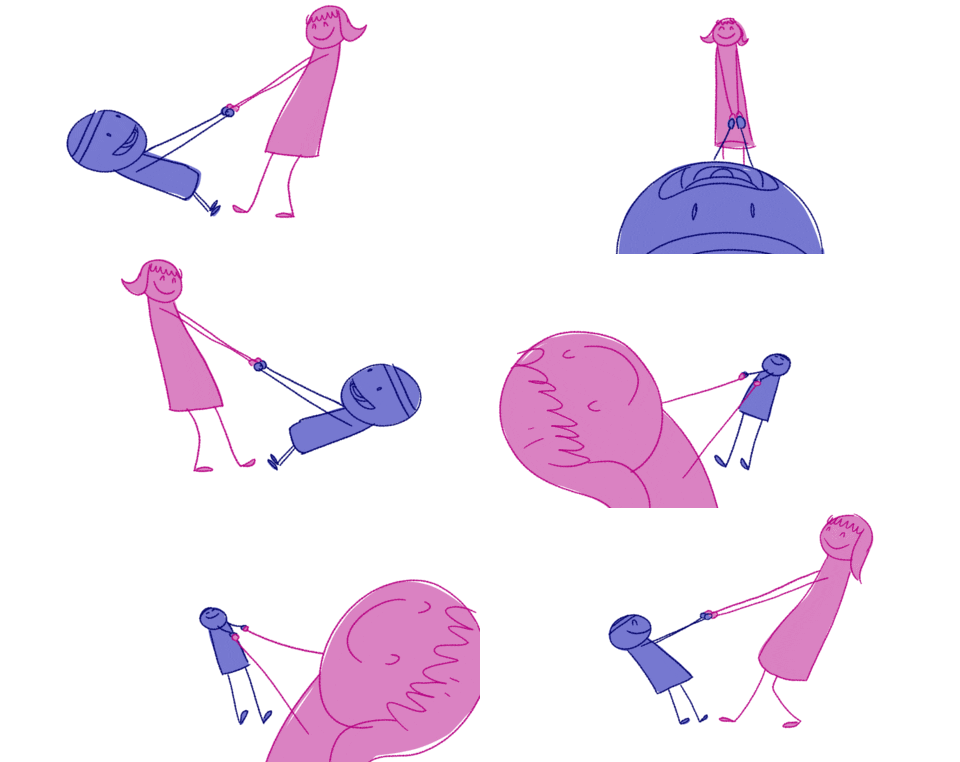
Mindfulness is not about ignoring the body, but about learning to acknowledge thoughts and sensations without being completely pulled away by them. You can ask AI to help you practice shifting your attention from symptoms and thoughts to your breath, sounds, environment, and the task at hand. If your attention returns to worry, don't scold it; just gently guide it back. The higher the flexibility of your attention, the less likely health anxiety is to take over your entire life.

○ Music therapy guidance
In mindfulness practice, music can help make attention more flexible. When listening, first become aware of the symptoms and thoughts, then bring your attention to the sound, pauses, breath, and the surrounding environment. If your attention returns to worry, don't blame yourself; gently bring it back. Music isn't about escaping your body, but about practicing not being caught up in a single thought. The more choices you make with your attention, the more space you have in life.

○Eastern and Western Healing Teas
○ Western Healing Tea - Chamomile Tea: Chamomile is a common herb known for its gentle calming effects. It is suitable for those experiencing stress, anxiety, pre-sleep tension, or difficulty relaxing. Its gentle floral aroma helps the body enter a calmer rhythm. Directions: Drink one cup of hot chamomile tea each evening. Use 1-2 teaspoons of dried chamomile petals, steep in hot water for 5-10 minutes, and sip slowly while warm. When used in conjunction with the "Mindfulness and Attention Flexibility Training" course, the process of brewing, waiting, and sipping can be used as a small exercise of pausing, searching, and repeatedly confirming. Gentle Reminder: This tea recipe is for daily dietary and emotional well-being reference only and should not replace medical diagnosis, psychotherapy, medication, or emergency treatment. Pregnant women, breastfeeding mothers, children, those with chronic illnesses, allergies, or those currently taking medication should consult a professional first.
○ Healing Recipes
○ Chinese Food Therapy · Porridge · Yam and Lotus Seed Porridge
Recommended dishes:Yam and Lotus Seed Porridge Recommended reasons:Mindfulness and attentional flexibility training requires detachment from symptoms and thoughts. Mild porridge is suitable for practicing observing aroma, temperature, texture, and satiety, bringing attention back to the present moment. This recipe, based on the principles of gentleness, stability, and low stimulation, helps the body gain some sustainable support. It cannot replace medical evaluation, nor can it directly treat anxiety disorders, but it can be used as part of regular eating, rhythm management, and mind-body observation. Recipe (1–2 servings): practice: Before preparing this dish or drink, please pause and observe the intensity of your current anxieties: are they ordinary health concerns, or have you developed an urge to repeatedly search, self-check, seek confirmation, or avoid the issue? Please do not blame yourself; simply treat these reactions as signals that need to be gently recorded. Before eating or drinking, take three slow breaths and observe your eyes, head, shoulders, neck, chest, stomach, and heartbeat. If you are thinking of searching or repeatedly checking right now, treat this recipe as a pause point before deciding whether you really need to take the next step. Take your first bite slowly. Daytime meals can be combined with sunlight, short breaks, and activity; evening meals should be portion-controlled to avoid overeating, excessive sweetness, or drinking too much water that may affect sleep. Video Title:Yam and Lotus Seed Porridge: A gentle dietary approach to health anxiety observation and stable rhythms, supported by a mindfulness and attention flexibility training course. hint:If you are constantly plagued by fear of illness, require frequent checkups or verification, are unable to work or study, experience significant sleep impairment, or show signs of acute physical danger, please contact a doctor, psychologist, or emergency resources in person as soon as possible.Click to view healing recipes
◉ Chinese Food Therapy · Porridge · Yam and Lotus Seed Porridge
I. Recommended Dietary Therapy and Reasons
2. Recipe and Method
3. Small rituals for body and mind
4. Dietary Therapy Experience Record
V. Instructional Videos (approximately 3–5 minutes)
6. Precautions
○Mandala Healing
In mindfulness practice, mandalas can help make attention more flexible. When looking at the center, be aware of thoughts and bodily sensations; when looking at the outer circle, bring attention to colors, lines, breath, and the room. If you return to worry, don't get angry, just gently bring it back. The patterns are not meant to make you escape from your body, but to practice not being firmly gripped by a single thought. The more choices you make in your attention, the more space you have in your life.
● AI Dynamic Geometric Vision Focus and Emotion Regulation Engine ●
AI Dynamic Geometric Vision Focus and Emotion Regulation Engine · v7.0.0
Before we begin, I'd like to know how you feel right now.
There is no standard answer; just choose the one that best reflects how you feel right now.
The experience is over. Tell us how you feel now.
There is still no standard answer; just choose the one that best reflects how you feel right now.
#FF5252
After the fluorescent line crawling is completed and stopped, first select a color, then click on the closed area in the graphic to fill in the color.
AI Digital Mandala Static Focus EngineAZ Image Coloring · 60 Colors
AI Digital Mandala Interactive Focus Engine
A–Z Free Selection · Layered Lines · 60 Color Fills

○ Calligraphy and engraving therapy practice
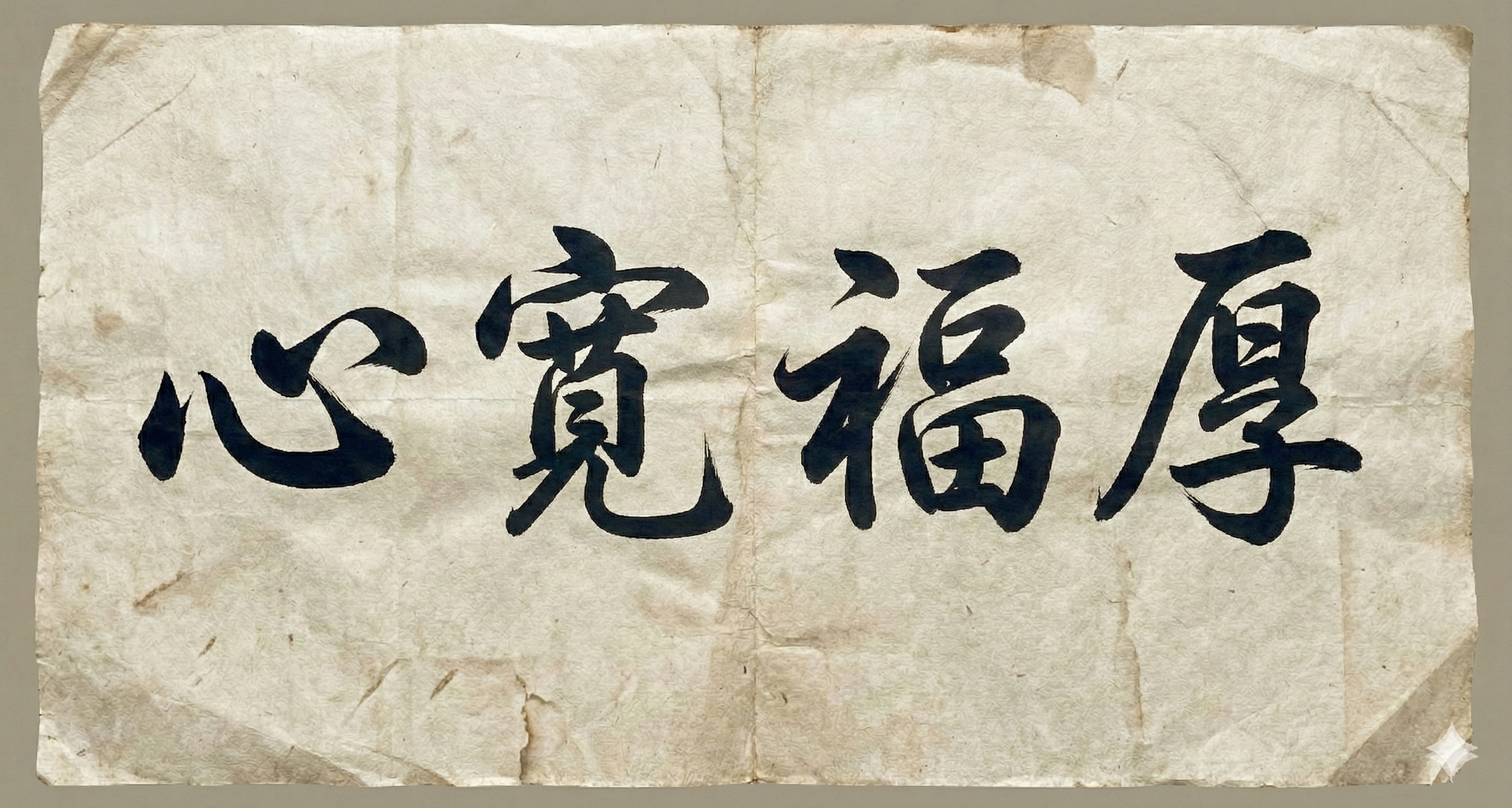
In mindfulness practice, writing inscriptions can help make attention more flexible. The content is not specified; simply be aware of thoughts, bodily sensations, the pen tip, the paper, and the surrounding environment. If attention is again pulled away by worry, don't blame yourself; gently return to the next stroke. The practice is not about escaping the body, but about learning not to be firmly gripped by a single thought. The more choices your attention has, the more space you have in life.

○ Art Therapy Guidance
Mindful drawing can be very simple. Draw the colors, lines, light and shadow, or surrounding objects you see right now, allowing your attention to slowly return from your symptoms and thoughts. If worries resurface, give them a small space next to the image, and then continue to focus on what's in front of you. This exercise isn't about escaping your body, but about giving your attention more options. Each time you manage to return to your focus, it's a gentle exercise.
Please log in before submitting your drawings and feelings.

○ Diary Healing Suggestions
The journal section is for you to write down the most touching point from today's lesson after the "Mindfulness and Attention Flexibility Training," and a small action you'd like to try. You can record the moments when symptoms overwhelmed you, and how you brought your attention back to your breath, sounds, or the present moment. Please write truthfully, briefly, and in a way you can bear. There's no need for deep analysis, and you don't need to write it for anyone else; the important thing is to let your feelings be gently seen. Please allow yourself to slow down and only do what you can bear today. This journal is only to care for you, not to judge you. Take your time.
Please log in to use.
May you gradually return to a more stable, clear-headed, and gentler version of yourself through today's practice.