

Lesson 1614: Adjusting to Decreased Learning Efficiency

Duration:70 minutes
Topic Introduction:Fragmented information makes it increasingly difficult to maintain focus, as if the brain is constantly being pushed to switch channels. This course helps learners observe what content most easily interrupts them and how to jump from one page to another. We don't expect immediate high concentration, but rather to gradually reclaim attention through shorter, clearer exercises. The course will help you reduce the time spent passively receiving information, re-practicing selection, pausing, and completion, so that the brain isn't constantly led by external stimuli.
○ Course Topic Audio
Lesson 1614: Adjusting to Decreased Learning Efficiency
Click to view the read-aloud text
If you feel a pang of sadness when you hear certain content, don't rush to defend yourself; it might be precisely where you need care. This lecture will guide you through observing how fragmented information makes the brain accustomed to rapid switching, making deep reading, sustained learning, and quiet waiting more difficult. When you can see the emotions, physical state, and environment before and after using information, the initially vague sense of loss of control will gradually become an observable and adjustable process. You can schedule short periods of time without notifications, allowing your brain to practice focusing on one thing at a time, without immediately striving for extended periods. Fragmented information trains the brain to crave short, fast, and novel information; over time, an article, a task, or a conversation will become unbearable. When regaining focus, don't give yourself a long time at once; start with five or ten minutes, turning off a reminder and reducing the frequency of switching. Focus is something that is gradually cultivated. After listening, I hope you will be more clear-headed and more self-aware, because truly sustainable change often requires these two things. Attention cannot be regained through scolding; it requires the right environment, rhythm, and patience. Having learned this much, please be patient with yourself in Lesson 1614: You're not fighting a battle with the internet that you must win immediately, but rather practicing gradually taking choices, time, and life back into your own hands. At this point, try connecting "attention deficit and fragmented information" to a real-life scenario: When does it usually happen? What emotions precede it? Is your body tired, tense, or empty? What impact does it have on your sleep, relationships, studies, or work afterward? Don't rush to turn these notes into self-criticism. A more helpful approach is to see them as a life map: where are the entrances, where are the turns, where you need to protect yourself in advance, and where you need to seek help. Today, you don't need to make any major changes immediately; choose just one small action: reduce your screen time, put down your device beforehand, place your phone further away, or pause for ten seconds before continuing. Repeating these small actions will gradually create a new sense of stability. Lesson 1614 simply requires you to do this first: take a small step back from the screen, impulses, or fatigue, and listen to your body and mind again.

AI Healing Q&A
When your attention is scattered by fragmented information, tell the AI the content, apps, and times when you are most easily distracted. It will help you identify these breakpoints and suggest a short, push-free exercise. You don't need to become focused all at once; just allow your brain a few minutes without being pulled away. If you continue to struggle, consider a professional assessment of your attention issues. After the assessment, do a short, push-free exercise to give your attention a few minutes of quiet. Attention needs to be gradually restored. Start with fewer switching between different things.

○ Music therapy guidance
When fragmented information causes your attention to constantly jump around, you can practice staying focused with a complete piece of music. Don't shuffle or switch frequently; just listen to one piece. Bring your wandering attention back to the melody time and time again; it doesn't need to be perfect. Each time you return, you're training your brain to regain a little quiet and sustained focus. After listening to the complete piece, return to a small task. Your attention isn't commanded to return; it's gradually trained back. Start with five minutes. Practice slowly. Then try again.
○Eastern and Western Healing Teas
Chrysanthemum and goji berry tea is suitable for when your eyes are tired, your mind is cluttered, and it's hard to focus on one thing after being bombarded with fragmented information. Chrysanthemum is refreshing, and goji berries are mild. Take one teaspoon of each and steep in hot water for 5-10 minutes. When drinking it, you can set a short screen-free time; it doesn't have to be long, just enough to allow your eyes and attention to retreat from the information flow for a while.
○ Healing Recipes
○ Mediterranean Diet: Basil Veggie Balls
Recommended dishes:Basil Veggie Balls Recommended reasons:Basil and Herb Dumplings, made with natural ingredients, mild flavors, and sustainable energy, are perfect for everyday care related to "attention deficit and fragmented information." Internet or gaming addiction often leads people to neglect eating, sleeping, and physical sensations. Diet doesn't need to be complicated, nor should it become a new source of stress. This dish reminds you to return to a meal, a bite, a quiet moment, allowing your attention to slowly return from the screen to your body. Recipe (1–2 servings): practice: When preparing basil and herb dumplings, put your phone aside and let your hands actually touch the ingredients. The process of washing, chopping, stirring, or heating can all become a small practice of stepping away from the screen. There's no need to strive for perfection when cooking; just slow down and breathe more deeply. Before taking the first bite, remind yourself: I'm gently bringing my day back into the spotlight with a simple meal. If you've stayed up late, are irritable, or exhausted, simplify the process to the easiest version. If you're feeling impulsive, eat something mild first before deciding on the next step. Food isn't a task, but rather a gentle support for your mind and body. Video Title:Basil and Herb Dumplings: A Gentle Nutritional Recipe for Internet Addiction Courses hint:Please understand diet within the context of a holistic care plan: regular sleep, digital boundaries, offline activities, family support, mood journaling, and necessary professional help remain important foundations for the long-term management of internet addiction.Click to view healing recipes
◉ Mediterranean Diet: Basil Veggie Balls
I. Recommended Dietary Therapy and Reasons
2. Recipe and Method
3. Small rituals for body and mind
4. Dietary Therapy Experience Record
V. Instructional Videos (approximately 3–5 minutes)
6. Precautions

○Mandala Healing
Fragmented information causes your attention to constantly jump around. When looking at a mandala, practice following a line from the center to the edge, and then slowly returning to the center. It's okay to get distracted along the way; just come back. This exercise isn't an exam, but rather helps your brain relearn to pause, return, and complete a period of quiet observation. After viewing, give yourself five minutes without switching focus. Being able to pause is slowly repairing your attention, which has been scattered by fragmented information. Practice slowly. Return again and again. Practice first. Go slowly.
● AI Dynamic Geometric Vision Focus and Emotion Regulation Engine ●
AI Dynamic Geometric Vision Focus and Emotion Regulation Engine · v7.0.0
Before we begin, I'd like to know how you feel right now.
There is no standard answer; just choose the one that best reflects how you feel right now.
The experience is over. Tell us how you feel now.
There is still no standard answer; just choose the one that best reflects how you feel right now.
#FF5252
After the fluorescent line crawling is completed and stopped, first select a color, then click on the closed area in the graphic to fill in the color.
AI Digital Mandala Static Focus EngineAZ Image Coloring · 60 Colors
AI Digital Mandala Interactive Focus Engine
A–Z Free Selection · Layered Lines · 60 Color Fills

○ Calligraphy and engraving therapy practice
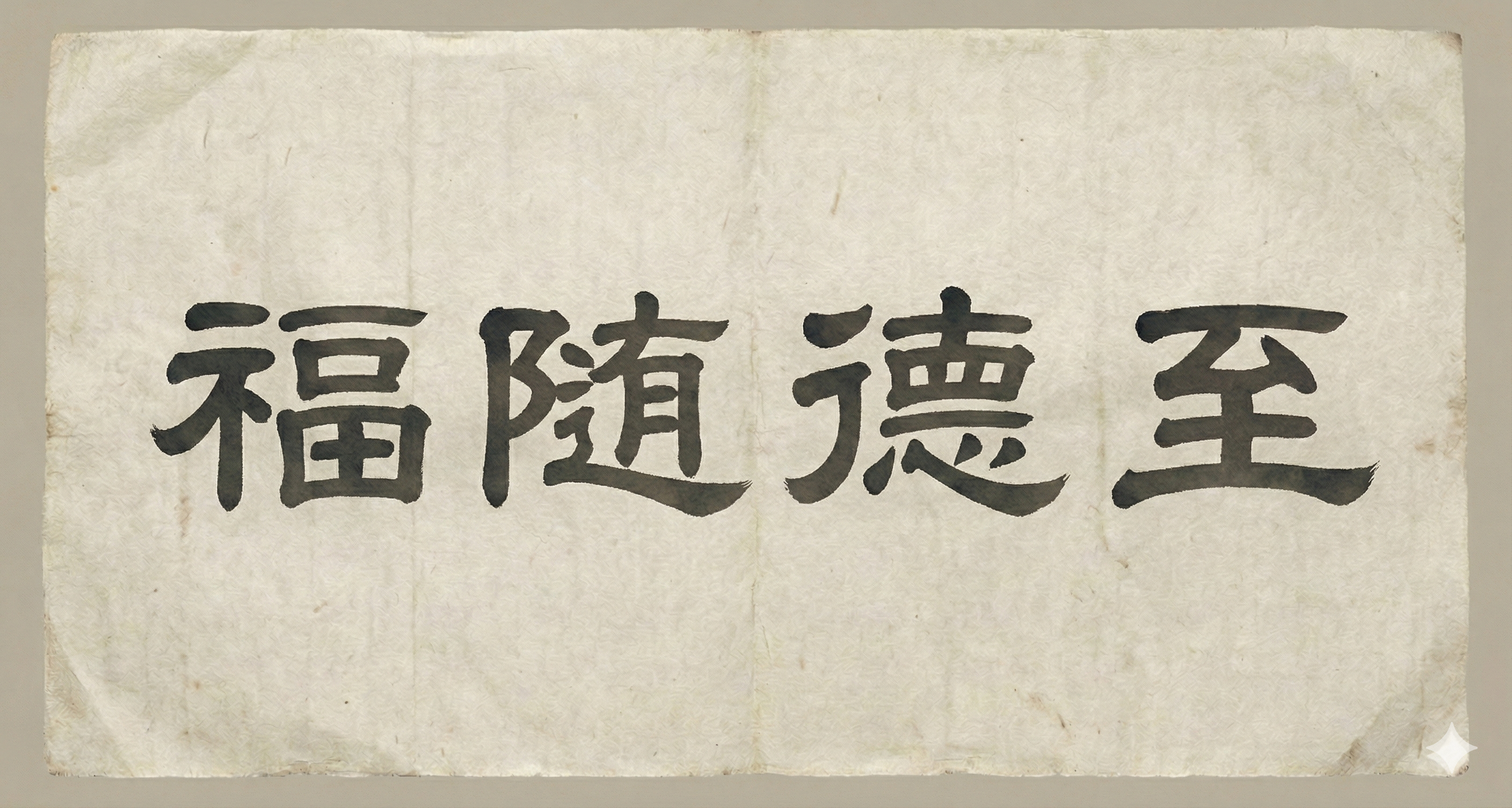
When the internet interferes with learning, people often blame themselves first, but the more they blame themselves, the harder it is to begin. Calligraphy and seal engraving exercises don't add pressure or assign specific content; they simply help you regain a small sense of purpose. First, steady your hand, then return to a small task at hand, and life has a chance to pick up where it left off. After completing the exercise, returning to a small task makes it easier to start again and is less harmful to yourself. Allow yourself to start small; you don't have to do too much at once. Give yourself a place to return to.

○ Art Therapy Guidance
When distracted by the internet, many people first blame themselves for not working hard enough, but the more they blame themselves, the harder it is to get back on track. Art therapy can help you slow down from the chaos, preventing you from rushing into studying or proving your efficiency. Draw for a few minutes, releasing the clutter and fatigue from your mind, and then return to your task; it will often feel easier. You don't need to regain strong focus all at once; just pull yourself out of the tug-of-war. Being able to start even a little bit again is already a significant achievement.
Please log in before submitting your drawings and feelings.

○ Diary Healing Suggestions
When the internet interferes with studying, the most common reactions are self-blame and procrastination. Today's journal entry can include when you first became distracted and what difficulties you encountered before that. Don't rush into writing grand plans; just write down small steps you can take tomorrow, such as reading a page, doing something for ten minutes, or tidying your desk. Regaining focus on studying isn't about scolding yourself, but about gently bringing yourself back step by step. After writing your goals, lower them further, making them small enough that you can actually start tomorrow. You're not incapable; you just need a starting point free from blame to gradually reconnect with your studies. That's all for today.
Please log in to use.
May you gradually return to a more stable, clear-headed, and gentler version of yourself through today's practice.