
Lesson 917: Dealing with Anger and Self-Blame After Trauma

Duration:70 minutes
Topic Introduction:Anger and self-blame often alternate after trauma: one protects boundaries, the other attempts to explain the hurt. Today, don't rush to judge yourself. Instead, distinguish between the true responsibility, the unattended needs, and the steps that can be taken for repair. Gentle reflection is more powerful than self-punishment. Small progress counts. Allow yourself a moment to slow down. May you be treated gently. Give yourself some time. Today, just one step is enough. It's okay to go slowly. Take care of yourself first. Let your heart slowly calm down. Put safety first.
○ Course Topic Audio
Lesson 917: Dealing with Anger and Self-Blame After Trauma
Click to view the read-aloud text
Today we gently approach "Coping with Post-Traumatic Anger and Self-Blame." Anger and self-blame often come together. Anger seems to protect you, while self-blame seems to be searching for explanations, but both can trap you. Today, we won't rush to judge who is right and who is wrong, but rather first clarify: What have I been affected by? What can I truly take responsibility for? How do I need to heal? Please replace self-blame with reflection, so it no longer becomes punishment. Please treat today's content as companionship, not an exam. You don't need to appear strong, nor do you need to articulate all your feelings at once. Trauma recovery often happens little by little: each time you see your body's signals, each time you express your needs, each time you allow yourself rest, all counts as part of recovery. May you, in this learning process, gradually shift your focus from "Why am I still like this?" to "How can I better take care of myself?" What happened in the past cannot be easily erased, but now you can gradually have more choices, more boundaries, and the right to be supported. Even if you are only stable for a minute today, only understand a single reaction, only blame yourself less once, these are not insignificant; they are all paths back to yourself. Please put safety first. Any practice that causes you excessive pain can be temporarily set aside, and you can slowly approach it again when you have more support. You don't need to walk this path alone. When appropriate, you can share these feelings with professionals, trusted individuals, or relationships that truly support you. You can think of this voice message as a warm hand gently placed on your shoulder, not rushing you, not judging you, but simply accompanying you to confirm: you are learning to take care of yourself right now. If a sentence makes your heart ache, please exhale slowly first, don't rush to continue thinking, give your body some buffer, let it know that there is still a way out. When learning about trauma topics, the most important thing is not to be brave enough not to react, but to still be willing to accompany yourself back in a gentler and safer way when you do react. Please allow your pace to be different from others. Some people can express themselves quickly, some people need a long time to dare to approach it, and both paces are worthy of respect. After today, you can just write down one sentence: What did I see, what do I need, and how am I willing to protect myself? That is enough.

AI Healing Q&A
AI-powered healing Q&A helps learners understand that anger and self-blame are often protective reactions after trauma. During the interaction, you can describe specific moments that make you angry or blame yourself. The AI will assist in distinguishing responsibility, needs, and boundaries, reducing self-harm; if you feel harmful urges, please seek help immediately. After the Q&A, prepare a pause to prioritize your safety if anger or self-blame intensifies. Anger can remind you of boundaries, and self-blame needs to be re-recognized. Go back to your room and breathe. Take care of yourself first.

○ Music therapy guidance
When anger or self-blame rises, don't choose overly intense music. Listen to a steady drumbeat or deep strings to give your emotions a place to settle. You can clench and unclench your fist in time with the rhythm, reminding yourself: I can feel anger, but I can also choose not to hurt myself or others. If your emotions are still burning, leave the scene of the conflict and continue listening until your breathing slows down. Music isn't about suppressing anger, but about helping you put your power back in your own hands, reducing regret afterward. Stop listening after you finish. Do just one thing today.

○Eastern and Western Healing Teas
○ Winter melon flower tea: Winter melon flowers are cooling and mild, suitable for hot weather, headaches, irritability, or feelings of internal heat, providing a refreshing buffer. Take an appropriate amount of winter melon flowers, steep in hot water for 5-10 minutes, and add a small amount of honey if desired. Drink once daily. Those with a cold constitution or weak stomach should drink in moderation.
○ Healing Recipes
○ Mediterranean Diet: Olive Oil, Basil, and Tomato Pasta
Recommended dishes:Mediterranean Tomato Pasta (Olive Oil Basil Tomato Pasta) Recommended reasons:This lesson addresses post-traumatic anger and self-blame. Olive oil, basil, and tomato pasta, with its bright flavor and straightforward preparation, is perfect for when your mind is in turmoil, offering simple steps to bring you back to the present moment. Tomatoes provide a warm, sweet and sour taste, basil adds a refreshing aroma, and pasta provides basic energy. It won't solve the anger or self-blame, but it can help you eat a meal first, then reflect on the experience. Recipe (1–2 servings): practice: Before preparing this dish, please stop and observe your current state: are you tense, numb, tired, anxious after waking up, panicked after being triggered, or worried about your body's reaction? Please do not blame yourself; simply treat these reactions as signals that need to be gently recorded. Before eating, take three slow breaths, observe the color of the cup or bowl, and feel the support under your feet and in the chair. If you are experiencing intense flashbacks, panic, suicidal thoughts, severe insomnia, or a significant decline in function today, please prioritize safety, seeking help, and professional support before eating. Take your first bite slowly. Daytime meals can be combined with sunlight, short breaks, and light activity; evening meals should be portion-controlled to avoid overeating, excessive sweetness, or drinking too much water that may affect sleep. Video Title:Mediterranean Tomato Pasta with Olive Oil and Basil: A healing recipe for stabilizing rhythms and gentle self-care, used in courses supporting the management of anger and self-blame after trauma. hint:If PTSD-related symptoms continue to worsen, significantly affecting sleep, work, interpersonal relationships, or diet, or are accompanied by intense fear, depression, dissociation, or self-harming thoughts, please contact an in-person doctor, psychologist, trauma therapist, or emergency resources promptly.Click to view healing recipes
◉ Mediterranean Diet: Olive Oil, Basil, and Tomato Pasta
I. Recommended Dietary Therapy and Reasons
2. Recipe and Method
3. Small rituals for body and mind
4. Dietary Therapy Experience Record
V. Instructional Videos (approximately 3–5 minutes)
6. Precautions

○Mandala Healing
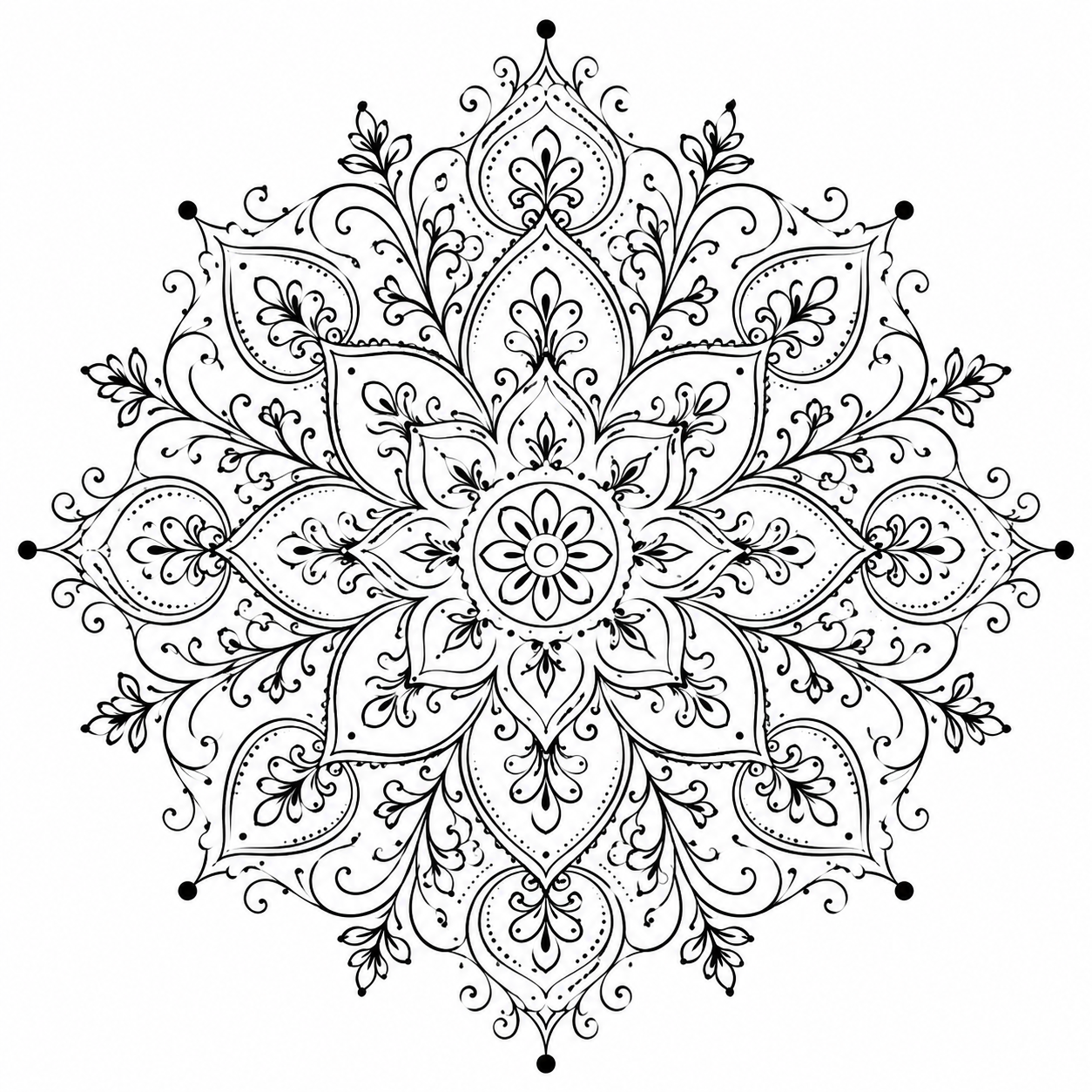
Looking at this image, you might notice some lines pulling at each other, just as anger and self-blame often appear simultaneously. Please don't rush to judge which emotion is worse; simply try to see them both. May this mandala help you gradually understand that feelings can be acknowledged, rather than just leaving you to blame yourself. Even a short pause counts. May you be treated gently. It's okay to go slowly. Please take your time. Take care of yourself first. Just a little today. No need to force it. Let your heart slowly calm down.
● AI Dynamic Geometric Vision Focus and Emotion Regulation Engine ●
AI Dynamic Geometric Vision Focus and Emotion Regulation Engine · v7.0.0
Before we begin, I'd like to know how you feel right now.
There is no standard answer; just choose the one that best reflects how you feel right now.
The experience is over. Tell us how you feel now.
There is still no standard answer; just choose the one that best reflects how you feel right now.
#FF5252
After the fluorescent line crawling is completed and stopped, first select a color, then click on the closed area in the graphic to fill in the color.
AI Digital Mandala Static Focus EngineAZ Image Coloring · 60 Colors
AI Digital Mandala Interactive Focus Engine
A–Z Free Selection · Layered Lines · 60 Color Fills

○ Calligraphy and engraving therapy practice
When anger and self-blame arise, your grip on the pen may become heavier. Observe this force in your practice, but don't punish yourself with it. Slow down your strokes, lighten your pressure, and pauses are allowed. Specific instructions are not provided here, only practice placing your impulses within a visible and manageable rhythm. You are already on your way. It's okay to go slowly. May you be treated gently. Take your time. Take care of yourself first. Just a little today. Don't force it. Let your heart slowly settle back down. Put safety first.
○ Art Therapy Guidance
When anger and self-blame arise, draw them separately on paper; they don't need to look beautiful. See which color is darker, which areas need boundaries. Drawing helps you release your emotions instead of continuing to attack yourself. Today, practice simply observing, not judging. You are already on your way. It's okay to go slowly. May you be treated gently. Please take your time. Take care of yourself first. Just a little today. No need to force it. Let your heart slowly calm down. Put safety first. Even a short pause counts.
Please log in before submitting your drawings and feelings.

○ Diary Healing Suggestions
Today, please write down your anger and self-blame separately: what is anger protecting, and what is self-blame fearing? Don't rush to judge who is right and who is wrong; just write down where you are truly hurt, and a gentler remedial action than punishing yourself. May you gradually separate reflection from self-blame. You are already on your way. It's okay to go a little slower. May you be treated gently. Please take your time. Take care of yourself first. Just a little today. No need to force yourself. Let your heart slowly calm down. Put safety first. Even a small record counts. You are already on your way. It's okay to go a little slower. May you be treated gently.
Please log in to use.
May you gradually return to a more stable, clear-headed, and gentler version of yourself through today's practice.