

Lesson 937: The Concept and Practice of Post-Traumatic Growth (PTG)

Duration:70 minutes
Topic Introduction:Post-traumatic growth is not about thanking the hurt, nor is it about denying the pain; it's about seeing your own choices and strength in the process of healing. Today, gently look back on those moments you endured, acknowledging that the pain still exists, but also acknowledging that you are gradually growing a new direction in life. Even small progress counts. Please allow yourself a moment to slow down. May you be treated gently. Please give yourself some time. Today, you only need one step. It's okay to go slowly. Take care of yourself first. Let your heart slowly calm down. Put safety first.
○ Course Topic Audio
Lesson 937: The Concept and Practice of Post-Traumatic Growth (PTG)
Click to view the read-aloud text
Today we gently approach the concept and practice of Post-Traumatic Growth (PTG). PTG is not about thanking the hurt, nor is it about beautifying pain. It's more like slowly seeing yourself still having choices, value, and strength during a long healing process. Pain can still exist, and growth can exist simultaneously. Today, please recall a moment when you got through it all, and gently acknowledge that effort. Please treat today's content as companionship, not an exam. You don't need to appear strong, nor do you need to explain all your feelings at once. Trauma recovery often happens little by little: seeing your body's signals, expressing your needs, allowing yourself rest—all these count as part of recovery. May you, in this learning process, gradually shift your focus from "Why am I still like this?" to "How can I better take care of myself?" The past cannot be easily erased, but now you can gradually have more choices, more boundaries, and the right to be supported. Even if you are only stable for a minute today, only understand a reaction, only blame yourself less once, these are not insignificant; they are all paths back to yourself. Please put safety first. Any exercises that cause you excessive pain can be temporarily set aside, and you can slowly approach them again when you have more support. You don't have to walk this path alone. When appropriate, share these feelings with professionals, trusted individuals, or relationships that truly support you. You can treat this voice message as a warm hand gently placed on your shoulder, neither rushing nor judging you, but simply there to reassure you: you are learning to care for yourself right now. If a sentence makes your heart ache, exhale slowly, don't rush to think further, give your body some breathing space, let it know there's still a way out. When learning about trauma, the most important thing isn't being brave enough not to react, but being willing to come back to yourself in a gentler, safer way when you do react. Please allow your pace to be different from others. Some people can express themselves quickly, some need a long time to dare to approach, and both paces are respectable. At the end of today, you can simply record one sentence: What did I see? What do I need? How am I willing to protect myself? That's enough.

AI Healing Q&A
AI-powered healing Q&A helps learners understand that post-traumatic growth is not about thanking the hurt, but about seeing new strength in the process of healing. During the interaction, you can write down a small change, a new value, or a moment of perseverance. The AI will assist in making the growth story authentic, neither denying the pain nor exaggerating the recovery. After the Q&A, please write down a genuine piece of evidence of growth, acknowledging both the pain and your efforts. Growth and pain can coexist; neither should be denied. Contact professional support if necessary.

○ Music therapy guidance
When discussing post-traumatic growth, choose a piece of music that evokes a sense of light, but isn't overly rousing. While listening, recall a moment when you pulled through. It's not about thanking the hurt, but about acknowledging: I experienced pain, and I've slowly grown a new kind of strength. If recalling it still makes you sad, don't try to change it to something positive. Music can encompass both pain and strength. You simply see: the hurt wasn't everything, and your perseverance is real. There's no need to force it. Give yourself some time. Let your body have a choice.

○Eastern and Western Healing Teas
○ Vanilla Rose Tea: Vanilla is warm, rose is gentle, suitable for when you're feeling down, tense, or want some gentle companionship. Place one spoonful each of vanilla and rose petals in hot water and steep for 5–10 minutes. You can add a little honey if desired. Allow yourself to slow down while drinking.
○ Healing Recipes
○ Eastern Food Therapy · Porridge · Mung Bean Porridge
Recommended dishes:mung bean porridge Recommended reasons:This lesson explores post-traumatic growth. Mung bean porridge is refreshing and simple, suitable for consumption when it's hot, irritable, or when you feel hot. Unlike strong tonics that emphasize exertion, it gently reminds you that growth can be quiet. Mung beans are cooling in nature; those with a cold constitution or weak stomach should consume it in moderation. This recipe cannot replace psychological healing; it is only intended as daily dietary nourishment. Recipe (1–2 servings): practice: Before preparing this dish, please stop and observe your current state: are you tense, numb, tired, anxious after waking up, panicked after being triggered, or worried about your body's reaction? Please do not blame yourself; simply treat these reactions as signals that need to be gently recorded. Before eating, take three slow breaths, observe the color of the cup or bowl, and feel the support under your feet and in the chair. If you are experiencing intense flashbacks, panic, suicidal thoughts, severe insomnia, or a significant decline in function today, please prioritize safety, seeking help, and professional support before eating. Take your first bite slowly. Daytime meals can be combined with sunlight, short breaks, and light activity; evening meals should be portion-controlled to avoid overeating, excessive sweetness, or drinking too much water that may affect sleep. Video Title:Mung Bean Porridge: A Healing Recipe for Stabilizing Rhythms and Gentle Self-Care in the Concept and Practice Course Supporting Post-Traumatic Growth (PTG). hint:If PTSD-related symptoms continue to worsen, significantly affecting sleep, work, interpersonal relationships, or diet, or are accompanied by intense fear, depression, dissociation, or self-harming thoughts, please contact an in-person doctor, psychologist, trauma therapist, or emergency resources promptly.Click to view healing recipes
◉ Eastern Food Therapy · Porridge · Mung Bean Porridge
I. Recommended Dietary Therapy and Reasons
2. Recipe and Method
3. Small rituals for body and mind
4. Dietary Therapy Experience Record
V. Instructional Videos (approximately 3–5 minutes)
6. Precautions

○Mandala Healing
Watching the pattern slowly unfold, you might feel a process of contraction followed by expansion. Post-traumatic growth isn't about denying pain, but about slowly cultivating new understanding and strength within it. Today, let this mandala remind you: the wound existed, but you are also forming a new self, which is precious. Even a short pause counts. May you be treated gently. It's okay to go slowly. Please take your time. Take care of yourself first. Just a little today. No need to force it. Let your heart slowly return to normal.
● AI Dynamic Geometric Vision Focus and Emotion Regulation Engine ●
AI Dynamic Geometric Vision Focus and Emotion Regulation Engine · v7.0.0
Before we begin, I'd like to know how you feel right now.
There is no standard answer; just choose the one that best reflects how you feel right now.
The experience is over. Tell us how you feel now.
There is still no standard answer; just choose the one that best reflects how you feel right now.
#FF5252
After the fluorescent line crawling is completed and stopped, first select a color, then click on the closed area in the graphic to fill in the color.
AI Digital Mandala Static Focus EngineAZ Image Coloring · 60 Colors
AI Digital Mandala Interactive Focus Engine
A–Z Free Selection · Layered Lines · 60 Color Fills
○ Calligraphy and engraving therapy practice
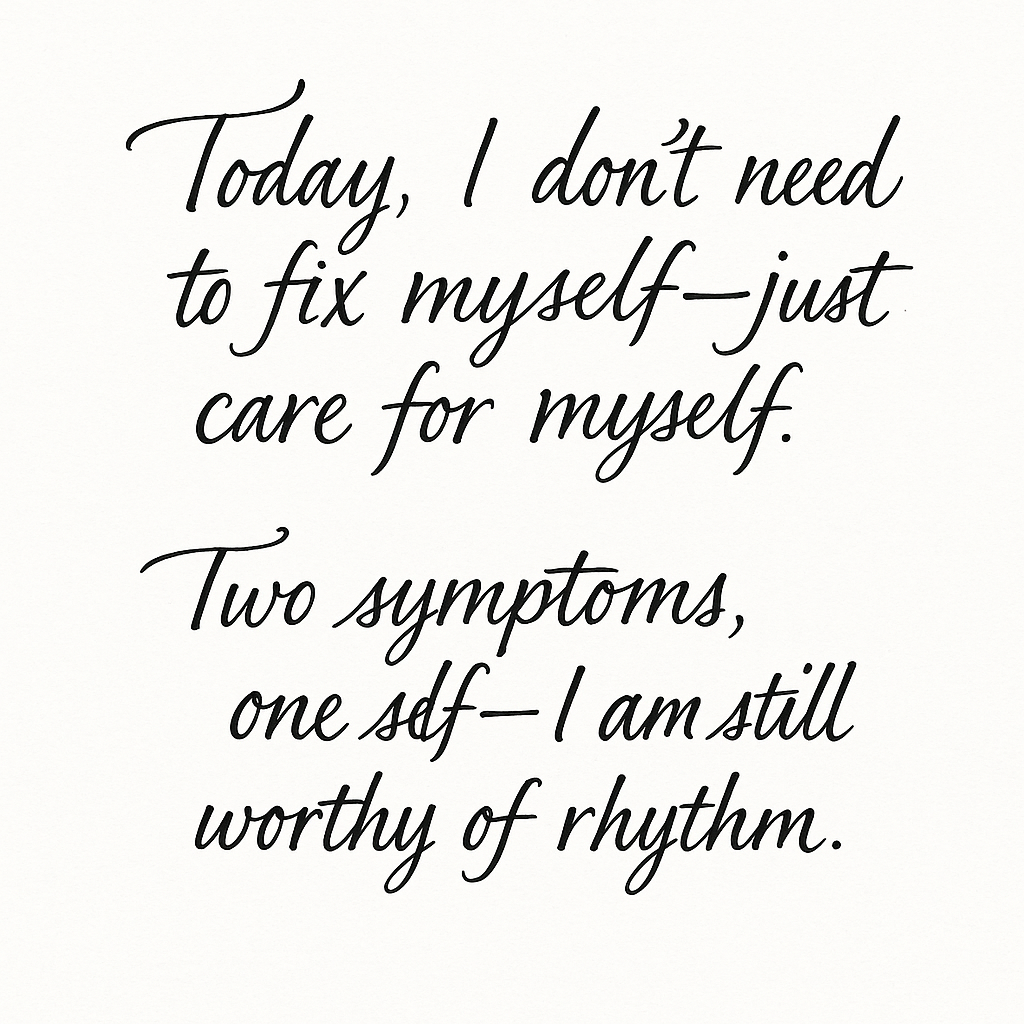
Post-traumatic growth isn't about turning pain into a beautiful story. Today's exercise doesn't have specific content; just let the lines unfold slowly, like giving your inner strength some space. You can simultaneously acknowledge the pain and persevere. Every stroke doesn't have to be perfect, just be authentic, slow, and show your willingness to continue. You're already on your way. It's okay to go slowly. May you be treated gently. Please take your time. Take care of yourself first. Just a little bit today. No need to force it. Let your heart slowly settle back down. Put safety first.
○ Art Therapy Guidance
Post-traumatic growth can be like a seed sprouting beside a crack. Today, draw a picture where pain and strength coexist. Don't glorify the injury, nor deny perseverance. While drawing, remind yourself: I am not valuable because I am injured, but because I am still slowly growing after the experience. You are already on your way. It's okay to go slowly. May you be treated gently. Please take your time. Take care of yourself first. Just a little bit today. No need to force it. Let your heart slowly calm down. Put safety first.
Please log in before submitting your drawings and feelings.

○ Diary Healing Suggestions
Please write down one strength you retain after trauma, even if it's small. You can also write down something you no longer want to treat yourself the way you used to. Post-traumatic growth isn't about glorifying the hurt, but about acknowledging the pain while seeing that you are still slowly developing new choices. You are already on your way. It's okay to go slowly. May you be treated gently. Please take your time. Take care of yourself first. Just a little bit today. No need to force it. Let your heart slowly calm down. Put safety first. Even a small record counts. You are already on your way. It's okay to go slowly. May you be treated gently.
Please log in to use.
May you gradually return to a more stable, clear-headed, and gentler version of yourself through today's practice.