

Lesson 48: Anticipatory Anxiety Before Socializing

Duration:70 minutes
Topic Introduction:The activity doesn't truly end after it's over. Your brain replays every thought, whipping you into a tirade: Was I stupid? Will they laugh at me? This lesson teaches you how to stop this post-event self-examination and bring your attention back to the present moment, instead of getting stuck in the past. When learning, set your goals small; observe just one reaction, complete one gentle action. You don't need to change yourself immediately; just understand a little more within safe boundaries. Every observation and record is the beginning of rebuilding a sense of stability.
○ Course Topic Audio
Lesson 48: Anticipatory Anxiety Before Socializing
Click to view the read-aloud text
When learning about "Post-Social Rumination: Do I Just Embarrass Myself?", please put aside any feelings of shame for now. Social anxiety is not a personality flaw, but rather an overreaction of the nervous system in relational situations. It tries to protect you from rejection, mistakes, and ridicule, but its protection often goes too far. Post-social rumination involves repeatedly judging a single statement. This lesson teaches us to interrupt this post-incident questioning and shift our attention from past details back to the present moment. When social anxiety arises, the mind often automatically generates conclusions: They must have noticed me, they must think I'm strange, I said something wrong, I'll be criticized. Simultaneously, the body enters a state of heightened alertness: heart rate increases, breathing becomes shallow, face flushes, throat tightens, and even the mind goes blank. Remember, these reactions are not failures, but rather the body executing protective mechanisms. The first step in this lesson is to slightly shift our attention from "How others are seeing me" to "What am I experiencing right now?" You can write three columns on paper: What am I worried about others thinking? What evidence have I actually seen? Is there a gentler, more realistic explanation? This isn't self-hypnosis, but rather separating mind-reading, catastrophizing, and the spotlight effect from reality. The second step is to give your body a reassurance. You can place your feet firmly, exhale slowly, gently relax your jaw and shoulders, and allow yourself three seconds to pause before answering. Social anxiety is most averse to the command, "I must perform well immediately." The more you allow yourself to slow down, the more your body has the opportunity to withdraw from the feeling of being judged. The third step is to choose a small, authentic social action. It could be sending a short message, sharing a genuine feeling with someone you trust, maintaining your presence in a group for only five minutes, or practicing a transition phrase. The goal isn't perfect performance, but rather allowing your nervous system to learn little by little: I can be seen, but I won't necessarily be harmed. If certain social situations involve humiliation, aggression, constant control, or real danger, you don't need to force yourself to expose yourself to them. Healing isn't about enduring harm, but about helping you distinguish between real threats and anxiety misreporting. Seek help from a therapist, doctor, family member, or trusted supporter when needed. Finally, give yourself a reassuring reminder: I can be nervous, and I can slowly engage in relationships; I can be imperfect, and I still deserve respect. Today, simply recognizing one more anxiety pattern, completing a small experiment, or reducing self-criticism is already a step towards restoring social safety. After reading aloud, please write down a minimal social exercise and a boundary you can use to protect yourself. The next time you enter a social situation, don't strive for complete relaxation; just remember to breathe, pause, and observe the evidence. You are not learning to please everyone, but to remain authentic and safe in relationships. Every gentle attempt accumulates new experience for your body: being seen does not equate to being rejected. After reading aloud, please write down a minimal social exercise and a boundary you can use to protect yourself.
AI Healing Q&A
Repeatedly reflecting on a social interaction can turn an ordinary moment into a self-judgment. You can write your most painful thought to AI, and it will help you distinguish between "I really made a mistake" and "I'm punishing myself." When practicing, set a gentle ending to your reflection, and then do something small to bring yourself back to the present. If rumination severely impacts your sleep or daily life, seek help promptly. After getting answers to your questions, put a period to your reflection and do something simple to bring yourself back to the present. You're already on your way. It only takes a little bit.

○ Music therapy guidance
Repeatedly reviewing a social interaction afterward can feel like your brain is on replay. Choose a piece of soft, calming music as a signal to end your social day. While listening, set aside thoughts like "Did I say something wrong?" and stop questioning yourself. When the music stops, allow your reflection to pause as well. After practicing, write down three real events that happened, instead of just recording your worries and shame. Letting the day truly end is also a form of self-care. Give yourself some time. Take care of yourself right now.

○Eastern and Western Healing Teas
This lesson suggests choosing mild, light, and non-stimulating teas to help with post-social reflection: I constantly review whether I made a mistake to stabilize my physical rhythm. You can sip small amounts of Osmanthus Oolong, light black tea, or herbal tea slowly. Avoid drinking it too strong, too hot, or too quickly; treat the first sip as a pause signal, allowing your stomach, breathing, and focus to slow down. If you are sensitive to caffeine, you can use decaffeinated herbal tea or warm water instead. Again, avoid drinking it too strong, too hot, or too quickly; treat the first sip as a pause signal.
○ Healing Recipes
Purple Rice Eight Treasure Porridge
Purple rice eight-treasure porridge is a suitable healing recipe after this lesson. It's gentle, easily digestible, and low-burden, providing a stable energy boost to the body after social interaction practice: constantly reviewing whether I made a mistake, reducing the amplification of social anxiety caused by hunger, fatigue, and tension. Eat slowly, observing hunger, satisfaction, breathing, and a sense of relaxation. It doesn't aim for elaborate presentation, but rather serves as a gentle replenishment after social practice. Let food become part of a sense of security, helping the body recover from tension.
Open the healing recipe
◉ Chinese Food Therapy · Porridge · 48. Purple Rice Eight Treasure Porridge
I. Recommended Dietary Therapy and Reasons
Recommended dishes:Purple Rice Eight Treasure Porridge
Recommended reasons: Purple rice eight-treasure porridge is a Chinese medicinal porridge with a deep color, rich ingredients, and a strong feeling of fullness. It is suitable for use in social anxiety courses as a gentle support for restoring energy and stabilizing eating rhythms. Purple rice brings the aroma of grains and a dark visual appeal, and when combined with ingredients such as red beans, lotus seeds, peanuts, and red dates, it creates a rich and layered taste. It is suitable for breakfast or lunchtime, providing the body with sustained energy. Compared to rushing to eat, this porridge requires slow cooking, making it also suitable for practicing waiting, slowing down, and caring for the body.
2. Recipe and Method
Recipe (1–2 servings):
- 40g of purple rice
- 30g glutinous rice
- Soak 20g of red beans in advance.
- 20g of lotus seeds, soaked in advance
- 15 g of peanuts
- Four red dates, pitted.
- 10g of dried longan pulp (optional)
- 900 ml of water
- A little rock sugar, optional
practice:
- Soak red beans and lotus seeds for at least 3 hours in advance, and rinse purple rice and glutinous rice thoroughly.
- Wash and pit the red dates, and rinse the peanuts and longan pulp briefly.
- Add purple rice, glutinous rice, red beans, lotus seeds, peanuts, and water to a pot.
- Bring to a boil over high heat, then reduce to low heat and simmer for 45–60 minutes.
- Stir occasionally during cooking to prevent the glutinous rice and purple rice from sticking to the bottom.
- Add red dates and dried longan pulp, and continue cooking for 10 minutes.
- Once the porridge has thickened, add a small amount of rock sugar as needed, and simmer for 5 minutes.
3. Small rituals for body and mind
When preparing multiple ingredients, you can place them separately in small bowls to observe the differences in color, shape, and texture.
Don't rush the cooking process; instead, enjoy the different ingredients gradually blending into a pot of porridge. This reminds you that complexity can be gradually resolved.
When you take the first bite, you should first enjoy the aroma of purple rice, the soft texture of beans, and the sweetness of red dates, which will give your body a sense of stable support.
4. Dietary Therapy Experience Record
- Record the time of consumption: breakfast, lunch, or when a stronger feeling of fullness is needed.
- Observe whether there are any changes in energy duration, satiety, stomach burden, and mental stability within 30–60 minutes after consumption.
- If consumed before social events, you can record whether it helps reduce hunger pangs and energy fluctuations.
V. Instructional Videos (approximately 3–5 minutes)
Video Title:Purple Rice Eight Treasure Porridge: A Chinese Energy Porridge Rich in Ingredients
6. Precautions
- Beans and lotus seeds should be soaked and cooked thoroughly in advance.
- Purple rice and glutinous rice are quite filling, so those with weak stomachs should eat them in small amounts.
- Blood sugar managers should reduce the amount of glutinous rice, red dates, longan, and rock sugar used.
- People with nut or peanut allergies should avoid these foods.
- Eight-treasure porridge has many ingredients, so the recipe can be simplified for first-time users.
hint:This recipe is for daily physical and mental well-being and is not a substitute for any medical diagnosis or treatment. If you have diabetes, digestive system disorders, nut allergies, or special nutritional restrictions, please prioritize following the advice of your healthcare provider and nutritionist.

○Mandala Healing
Repeatedly reflecting on a social interaction afterward is like getting your mind stuck in the same fragment. A mandala can be a gentle stopping point. Focus your gaze on the repeating pattern, reminding yourself: what just happened is over, I can return to the present. If the thought "Did I embarrass myself?" pops into your head, don't argue, just look at the circle of lines. Afterward, write a neutral description, not a judgment. You can reflect on the experience, but you don't have to interrogate yourself all night. Put yourself down from the judging panel.
● AI Dynamic Geometric Vision Focus and Emotion Regulation Engine ●
AI Dynamic Geometric Vision Focus and Emotion Regulation Engine · v7.0.0
Before we begin, I'd like to know how you feel right now.
There is no standard answer; just choose the one that best reflects how you feel right now.
The experience is over. Tell us how you feel now.
There is still no standard answer; just choose the one that best reflects how you feel right now.
#FF5252
After the fluorescent line crawling is completed and stopped, first select a color, then click on the closed area in the graphic to fill in the color.
AI Digital Mandala Static Focus EngineAZ Image Coloring · 60 Colors
AI Digital Mandala Interactive Focus Engine
A–Z Free Selection · Layered Lines · 60 Color Fills

○ Calligraphy and engraving therapy practice
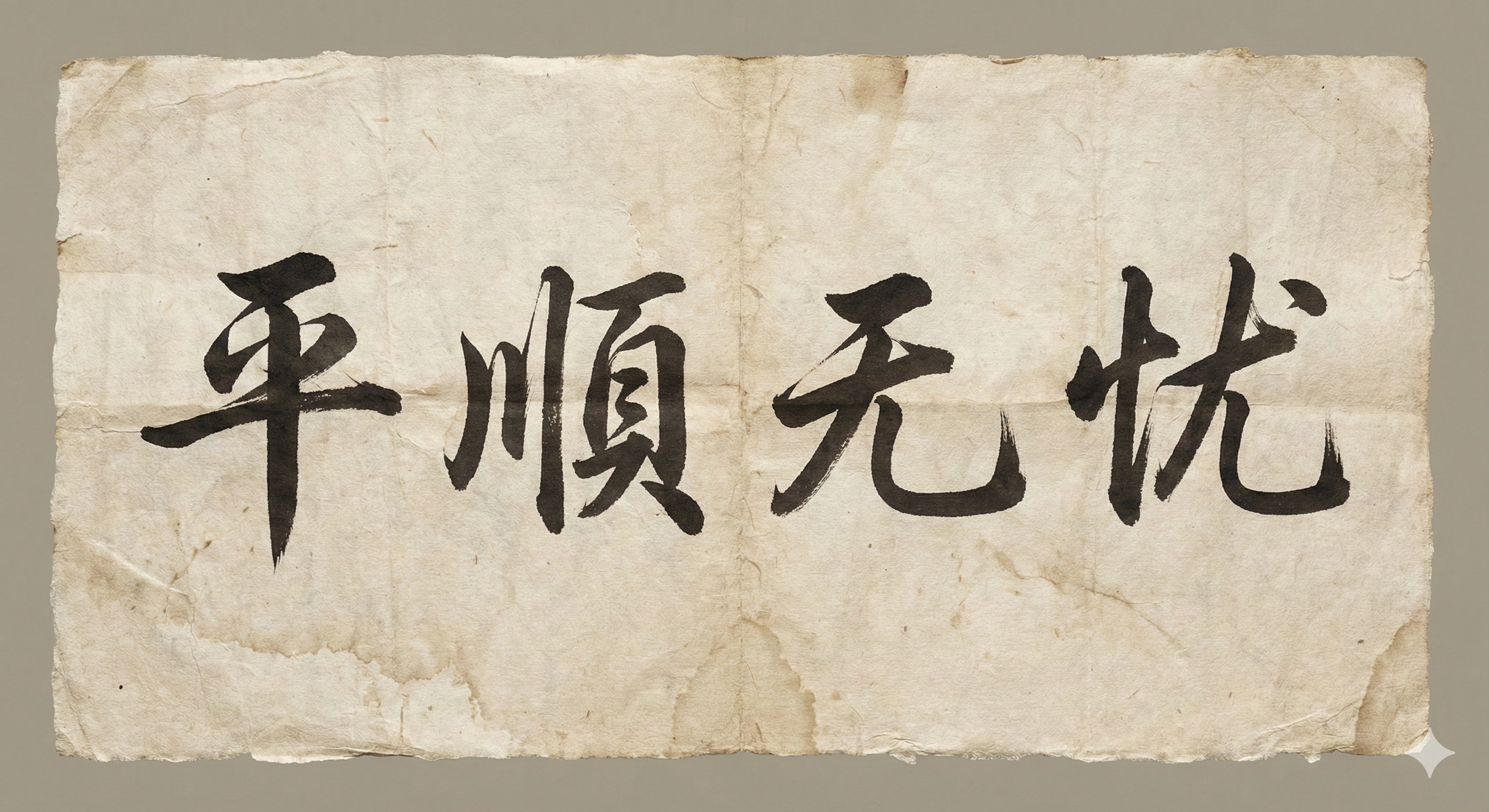
If you're always afraid of making mistakes, calligraphy practice can remind you: imperfection is okay. Use "slowly refine" as your practice phrase, feeling the process of a stroke or line from beginning to end. If you stray, stop, or start over, that's all acceptable. Don't turn it into a new pressure or task. It simply helps you practice gentleness, patience, and a little self-acceptance in quiet moments. Be gentle. After finishing your practice, give yourself a little affirmation: I'm learning to be calm; I don't have to be brave all at once.

○ Art Therapy Guidance
Drawing exercises can help you process the rumination after a social interaction: the tension, withdrawal, or anticipation of constantly reviewing whether you've embarrassed yourself, can be expressed through lines, blocks of color, and spatial distance. Don't try to make it realistic; just capture your true physical feelings. Use dark colors to represent stress, light colors to represent comfort zones, and blank spaces to represent areas where you need rest. After finishing, observe the artwork, rather than criticizing it. Let the image help you see that anxiety is only part of the experience, not the whole of yourself.
Please log in before submitting your drawings and feelings.
○ Diary Healing Suggestions
The social interaction may not even begin, but anxiety might already be creeping in. Today's journal entry can include: What do I most often rehearse before socializing? Record the most impactful point from the course, and write down a small action, such as giving yourself three minutes of breathing time before leaving the house, instead of constantly rehearsing the worst-case scenario. You don't need to be fully prepared for every situation to be qualified to appear. After writing, remind yourself: I can practice with a little nervousness; nervousness doesn't mean I'll definitely fail. If you can only do a little bit today, that's okay too. Healing often begins with these small, real actions.
Please log in to use.
Debriefing shouldn't be a punishment; I can bring my attention back to the present.