

Lesson 88: Fear of Natural Environments: Heights, Lightning, Water

Duration:70 minutes
Topic Introduction:Fear rarely arises out of thin air; it can stem from unexpected events, humiliation, fright, or experiences of being uncomforted. This lesson is not about assigning blame, but about helping you see the story of your fear. When practicing, focus on a small target, observing only one reaction or performing a gentle action. You don't need to change yourself immediately; simply try to understand a little more within safe boundaries. Each record and pause is the beginning of rebuilding a sense of stability. When practicing, focus on a small target, observing only one reaction or performing a gentle action.
○ Course Topic Audio
Lesson 88: Fear of Natural Environments: Heights, Lightning, Water
Click to view the read-aloud text
When learning about the psychological roots of fear, please put aside self-blame for now. Specific fears are not cowardice or affectation, but rather the body's automatic entry into escape, freeze, or defense modes after the brain deeply associates a stimulus with danger. Fear may stem from accidents, humiliation, lack of comfort after a fright, or childhood experiences of being frightened. This lesson helps you see the story behind your fears. When fear is triggered, you may experience a racing heart, trembling hands, chest tightness, nausea, or even the urge to flee immediately. Remember, this is not a lack of courage, but rather the amygdala and sympathetic nervous system activating survival programs. The body doesn't know it's practicing; it only knows that past dangerous memories have been awakened. The first step in this lesson is to concretize the fear. Don't just write "I'm scared," but clearly state: what I'm afraid of, what the most terrifying image is, what I'm worried about happening, and how I usually escape. Writing down the fear transforms it from mental fog into observable material. The second step is to establish safe boundaries. Any exposure practice should not begin with the most intense scenarios. You can start by creating an anxiety level chart from 0 to 10, progressing from looking at a picture, saying its name, getting closer, pausing for a few seconds, to actual contact, level by level. Each level should have an exit signal, a recovery action, and a support method. A sense of security is not weakness; it's the foundation for retraining the brain. The third step is learning to pause and reflect. When your body's anxiety intensifies, you don't need to immediately prove you're okay. Just stay a little longer within your tolerance range and record the facts: how long you paused, how your fear level decreased, and what actually happened. Reflection can gradually rewrite the disaster narrative of "I almost died" into "I experienced a strong physical reaction, but I survived." If the practice causes persistent insomnia, panic, a strong urge to harm yourself, or significant triggering of past trauma, please stop practicing and seek help from a therapist, doctor, or trusted supporter. Healing is not about pushing yourself to the brink of collapse, but about relearning under sufficiently safe conditions. Finally, give yourself a reassuring reminder: fear is not everything; it's just a protective mechanism your body has learned. Today, simply naming a fear, completing a minimal exposure, or gently reflecting on the experience afterward is already establishing a new relationship with that fear. After reading aloud, please write down a minimum-intensity exercise and a recovery movement after exposure. Next time you face fear, don't strive for immediate courage; just remember to breathe, pause, record, and reflect. You are not learning to eliminate bodily reactions, but rather to retain some options when they arise. Each safe, small exposure allows the brain to update its risk assessment slightly. After reading aloud, please write down a minimum-intensity exercise and a recovery movement after exposure. Next time you face fear, don't strive for immediate courage; just remember to breathe, pause, record, and reflect.

AI Healing Q&A
Fears of natural environments like heights, lightning, and water often come with strong physical reactions. You can describe your most frightening image to the AI, and it will help you distinguish between the actual risk and the amplified anxiety. Practice doesn't require taking risks; safety should always come first. Today's small action could be imagining a low-difficulty scenario while slowly exhaling, allowing your body to learn some stability. This isn't about forcing yourself to be brave, but about gradually regaining control of your choices. Finally, remember, today only requires one small step; no special precautions are needed.

○ Music therapy guidance
Fear of heights, lightning, or water often causes the body to tense up instantly. When listening to music, choose slow-paced pieces with gentle volume, avoiding sudden loud noises. You can imagine a simple, natural scene while listening, such as seeing the sky or water in the distance. If anxiety rises, return to your breathing. Music here acts like a rope, gently bringing you back to the present moment. If you feel uncomfortable, pause; safety is always paramount. Take only a small step today; you don't need to force yourself to succeed.

○Eastern and Western Healing Teas
This lesson suggests choosing a mild, light, and non-irritating hot tea to help stabilize the body after learning about the psychological roots of fear. You can choose light black tea, osmanthus oolong, chamomile tea, or warm water, sipping slowly in small amounts. Avoid drinking it too strong, too hot, or too quickly; treat the first sip as a signal to stop.
○ Healing Recipes
Olive lentils cooked in olive oil
Olive lentils are a suitable healing recipe after this lesson. It's gentle, stable, and low-burden, replenishing the body after learning about the psychological roots of fear and reducing the amplification of specific fear experiences caused by hunger, fatigue, and tension. Eat slowly, observing the intensity of fear, breathing, hunger, satisfaction, and relaxation. It doesn't aim for elaborate plating but rather serves as a gentle replenishment after fear exposure exercises.
Open the healing recipe
◉ Western Dietary Therapy · Soups · 88. Olive Lentils (Stewed in Olive Oil)
I. Recommended Dietary Therapy and Reasons
Recommended dishes:Olive lentils cooked in olive oil
Recommended reasons: Olive oil-cooked lentils are a mild, simple, and easy-to-make Western-style therapeutic dish, suitable for inclusion in social anxiety courses as a daily support for stabilizing energy and reducing eating stress. Basic ingredients such as vegetables, beans, fish, grains, or cheese, when simply cooked, provide clear, recognizable flavors and a steady feeling of fullness, avoiding overstimulation. It's a suitable light meal for lunch, dinner, or before or after social events, allowing the body to find a sense of stability in warmth, simplicity, and routine.
2. Recipe and Method
Recipe (1–2 servings):
- 70–80 g of lentils
- 1/4 onion
- Half a carrot
- 1 tablespoon olive oil
- A pinch of cumin or thyme
- 700 ml of clean water
- A pinch of sea salt
practice:
- Clean the main ingredients thoroughly. If beans or grains need to be soaked in advance, complete the preparation first.
- Add olive oil to a pan and sauté onions, herbs, or basic seasonings over low heat until fragrant.
- Add the main ingredients and side vegetables, and gently stir to allow the flavors to meld.
- Add water, tomatoes, wine or other liquids, and simmer over low heat.
- Keep gently turning the ingredients to allow them to cook through and develop a mild flavor.
- Add sea salt, black pepper, or a small amount of cheese to adjust the flavor as needed.
- Let it sit for a while before serving, then reheat it and eat it warm.
3. Small rituals for body and mind
When preparing olive oil to cook lentils, you can first observe the color, aroma, and texture of the ingredients, gradually shifting your attention from external evaluations back to the actions in your hands.
During heating or stirring, slow down and feel the ingredients transform from scattered pieces into a cohesive whole. Remind yourself: I don't need to perform perfectly right away; I just need to gently bring myself back to the present moment.
When you take your first bite, feel the warmth, softness, and simple aroma to let your body know that it is safe and bearable at this moment, and you can relax a little.
4. Dietary Therapy Experience Record
- Record when you eat it: whether it's breakfast, lunch, dinner, or a light snack before or after social events.
- Observe whether there are any changes in stomach burden, fullness, refreshment, and mental stability within 30–60 minutes after consumption.
- If you consume this when you are anxious, tired, or have an unsteady appetite, you can keep track of whether cooking lentils in olive oil helps reduce feelings of heaviness and restore a sense of control over your body.
V. Instructional Videos (approximately 3–5 minutes)
Video Title:Lentils cooked in olive oil: A mild and stable light and nutritious dish.
6. Precautions
- It is recommended to choose simple, basic, fresh ingredients and reduce excessive seasoning.
- Olive oil is recommended to be used at medium to low temperatures and should not be heated repeatedly at high temperatures for extended periods.
- If there are special dietary restrictions, the ingredients and portions should be adjusted according to individual circumstances.
- This product is best consumed in small amounts and slowly to avoid excessive intake at one time.
- This product is best consumed in small amounts and slowly to avoid excessive intake at one time.
hint:This recipe is for daily physical and mental well-being and is not a substitute for any medical diagnosis or treatment. If you have chronic illnesses, are pregnant, have food allergies, are taking medication, or have special nutritional restrictions, please prioritize following the advice of your healthcare provider and nutritionist.

○Mandala Healing
Fear of heights, lightning, or water often makes the body feel unstable. When viewing a mandala, focus your gaze on the most balanced part, feeling its order and support. If dangerous images appear in your mind, return to the colors and lines. Today is not about taking a risk, but simply letting your body know: I am still in a safe place. Even a little stability is worth affirming. Today you only need to stay still for a short while. Give yourself gentle space. Take it slow; safety always comes first. If you feel unwell, stop and rest.
● AI Dynamic Geometric Vision Focus and Emotion Regulation Engine ●
AI Dynamic Geometric Vision Focus and Emotion Regulation Engine · v7.0.0
Before we begin, I'd like to know how you feel right now.
There is no standard answer; just choose the one that best reflects how you feel right now.
The experience is over. Tell us how you feel now.
There is still no standard answer; just choose the one that best reflects how you feel right now.
#FF5252
After the fluorescent line crawling is completed and stopped, first select a color, then click on the closed area in the graphic to fill in the color.
AI Digital Mandala Static Focus EngineAZ Image Coloring · 60 Colors
AI Digital Mandala Interactive Focus Engine
A–Z Free Selection · Layered Lines · 60 Color Fills

○ Calligraphy and engraving therapy practice
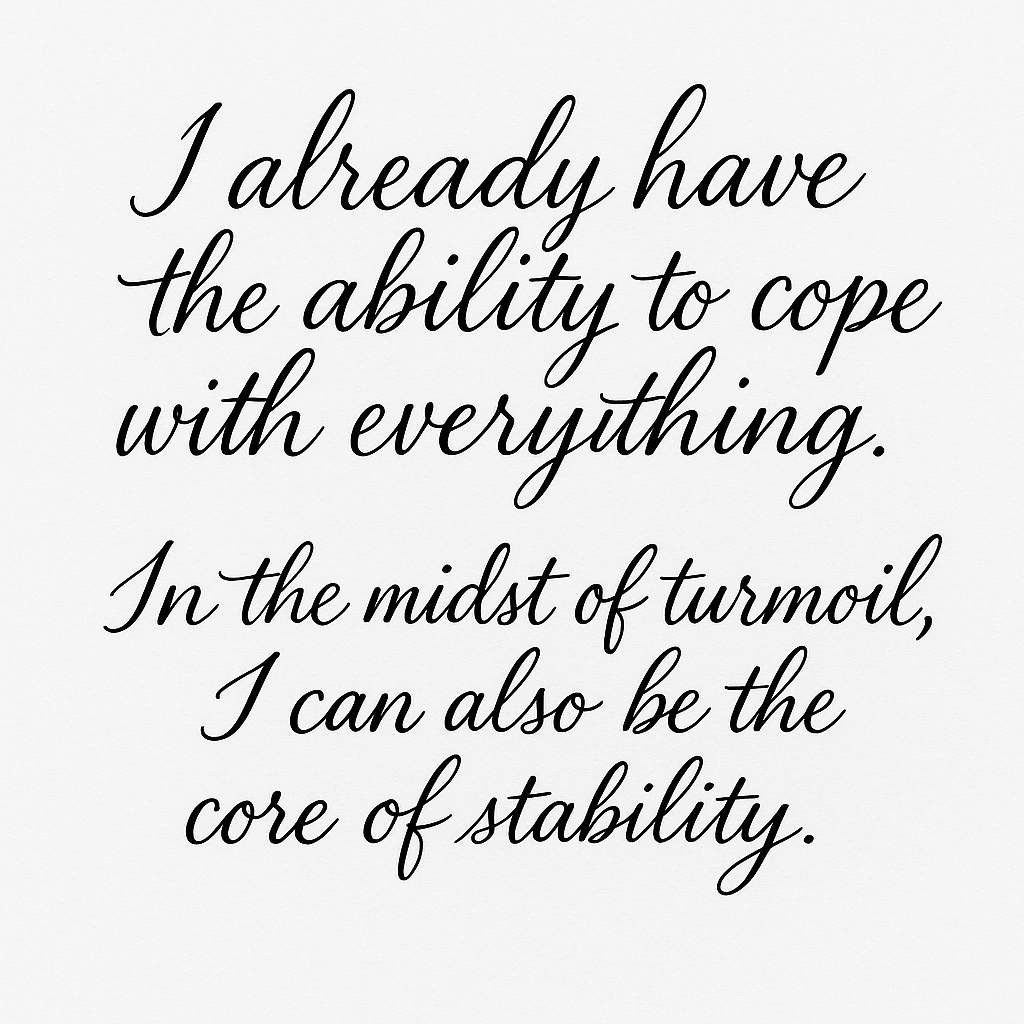
Fear of heights, lightning, or water often makes people feel unsteady. When writing or engraving, first feel the support of your feet and the chair. Don't set specific content; just let your movements bring some order. If dangerous images appear in your mind, focus your attention on the next stroke, the next pause. Today is not an adventure, but simply practice maintaining your composure. Safety always comes first. Even a little bit counts. Please be gentle with yourself. If you feel uncomfortable, please stop. Take it slow. Safety always comes first. Even a little bit counts. Please be gentle with yourself.

○ Art Therapy Guidance
Fear of heights, lightning, or water often makes the body feel unsteady. Please use drawing to depict the difference between "losing support" and "gaining balance." You can draw two areas: one swaying, the other stable. Don't draw dangerous details, just the physical sensations. Seeing these two sides will help you find a way back. It doesn't need to be perfect. Even a little bit counts. Stop if you feel uncomfortable. Take it slowly. Please see it gently. It doesn't need to be perfect. Even a little bit counts. Stop if you feel uncomfortable.
Please log in before submitting your drawings and feelings.

○ Diary Healing Suggestions
Fear of heights, lightning, or water often causes physical tension. Today, please write down the most impactful point from the course, and also write down where this fear most affects your life. Then choose a small action, such as imagining only a low-difficulty natural scenario and coordinating it with slow exhalation. Please prioritize safety; practice is not about taking risks, but about gradually regaining some choice. Please schedule your small actions lightly, so that you truly have a chance to do them tomorrow. Journaling is not an exam, but a place where you can be understood. Take it slow; stability and safety are more important than speed. After writing, please give yourself a gentle affirmation: I am learning, I don't need...
Please log in to use.
After completing the study of the root causes of fear, remind yourself: My fears have a source, but they don't have to determine my future.