

Lesson 312: The Connection Between Depression and Traumatic Memories
Duration:70 minutes
Topic Introduction (Overview):
Many people find that old traumatic memories resurface during a depressive episode, with past scenes appearing more vivid than the present.
A single word, a conflict, or even a smell can trigger deep pain.
This isn't "overthinking," but rather the brain entering a low-energy mode and prioritizing the retrieval of old, painful memories.
Influence your emotions with the "advantage of negative information retrieval".
Depression and trauma often reinforce each other: depression weakens the brain's "emotion regulation system," making it easier for traumatic memories to intrude.
Trauma intensifies feelings of self-blame, shame, and helplessness, making it even harder to recover from depression.
This lesson will help you understand:
● Why are past wounds most easily awakened during depression?
● How do traumatic memories leave "traces" on the physical level?“
● How to distinguish between "the reality of memory" and "the amplification of emotion"?“
● How to perform trauma desensitization and self-protection in a gentle and tolerable manner
You are not trapped by your memories, but have entered a stage where you can reorganize them.
Lesson 312: The Connection Between Depression and Traumatic Memories (Click to listen/read/view content)
Depression doesn't always stem from current life stresses; it's often closely linked to unresolved traumatic memories. Trauma isn't necessarily a violent event; it can also be a long-term neglected, denied, or forced experience that one is unable to react to. When these experiences aren't fully processed, the brain stores related memories in fragmented ways. When faced with similar situations or internal feelings, the nervous system automatically enters a defensive or shutdown state, leading to depression. Many people feel powerless, lethargic, and empty during periods of depression. This isn't laziness or weakness of will, but rather the brain choosing to reduce overall feelings to avoid further harm after the traumatic memory is triggered. The first step in understanding this connection is to stop self-blaming. Depression isn't a sign of regression; it's the system protecting you in familiar ways. The second step is to distinguish between the past and the present. Traumatic memories mislead the body into believing the danger continues, when in fact, you are in a different time and environment. By repeatedly reminding yourself that you are safe now, you can gradually weaken the memory's control over the present. The third step is to establish a slow and controlled method of regression. Directly recalling trauma often worsens symptoms. A more appropriate approach is to start with bodily awareness, emotional fragments, or immediate reactions, gradually integrating these experiences within a safe relationship. The fourth step is to give the system sufficient patience. Healing from trauma is not a one-time release, but a cumulative process of repeatedly confirming safety. When you stop demanding that you move on immediately, but allow recovery to unfold in waves, the connection between depression and trauma will gradually loosen.
▲ AI Interaction: What old memories have recently affected me?
AI will help you:
① Find the trigger point of traumatic memory
② Distinguish between "emotional intensity" and "actual risk of the event"“
③ Establish a sense of security in the present moment
④ Here's a gentle desensitization exercise you can do today.“
○ Audio - Trauma-Recovery and Stabilization Exercises
Play the audio to conduct a "current safety verification" training:
- Place both feet on the ground and feel the support from the ground.
- Listen to a continuous sound in the audio with your eyes closed.
- Whisper to yourself, "This is now, not the past." Repeat twice.
○ Chinese Tea Drink: Lily and Lotus Seed Soothing Tea
Recommended reasons:Lily bulbs soothe the mind and relieve chest pain; lotus seeds nourish the spleen and heart, and stabilize the nervous system.
It is especially suitable for those who experience irritability, anxiety, and tension due to "past memories constantly flooding back".
practice:Soak 5g of lily bulbs, 5g of lotus seeds, and 3 red dates in boiling water for 10 minutes.
○ An Ding Dietary Therapy: Aconite and Cinnamon Porridge (ID312)
During periods of trauma and depression, the body is often in a state of internal coldness and energy deficiency. Aconite and cinnamon, with their warming and nourishing properties, help restore internal circulation and a sense of security. This porridge is suitable for consumption when feeling down or cold, allowing the body to gradually return to a state of awareness and resilience, providing a stable foundation for trauma integration.
Depression support
Warmth and stability
Open Recipe
◉ Aconite and Cinnamon Porridge
Prepared aconite and cinnamon are simmered with glutinous rice over low heat. It is warm in nature, boosts yang, warms the middle and dispels cold, and is suitable for conditioning people with chills, cold limbs, and cold pain in the waist and knees.
Warming Yang and dispelling cold Replenishing vitality Suitable for kidney yang deficiency
1. Recommended dishes and reasons
Recommended dishes:Aconite and Cinnamon Porridge (ID 168)
Recommended reasons:Aconite warms the Yang and restores Yang, cinnamon warms the meridians and dispels cold, and when combined with ginger and rice to make porridge, it is warm but not dry and penetrates slowly.
2. Recipe and Method
Ingredients (Serves 2–3):
- 90 g japonica rice
- 3–6 g of processed aconite root (qualified decoction piece)
- 1–2 g cinnamon (segments)
- 3 slices ginger
- 1.2–1.4 L of clean water
practice:
- [Preparation] Place aconite root and ginger in a pot of cold water. Bring to a boil over high heat, then simmer on low heat for 30 minutes. Filter the medicinal juice and discard the aconite root residue. *Only use aconite root slices that have been properly prepared at a pharmacy.*
- [Cook porridge with rice] Mix the medicinal juice and water to about 1.2–1.4 L. Add the washed japonica rice and simmer on low heat for 35–45 minutes until the porridge is thick.
- [Add cinnamon] Add cinnamon segments 5 minutes before the end of the cooking, turn off the heat and simmer for 5 minutes, then pick out the cinnamon and ginger slices.
- [Eating] Serve warm in divided bowls, eat slowly in small bites, until the abdomen is warm and slightly sweaty.
3. Eating rituals
First, place your palms over your abdomen for 10 seconds to feel the temperature.
Hold each mouthful for 2–3 seconds to feel the warmth rising.
Record changes in limb temperature and mental state.
4. Experience Record
- Physical sensation (refreshing/full/warm).
- Post-meal mental and digestive scores.
- Record portion sizes and daily fruit, vegetable, and whole grain intake.
5. Tutorial Video (approximately 3–6 minutes)
◉ Video Title:Aconite and Cinnamon Porridge: Warming Yang and Dispelling Cold
6. Precautions
- ⚠️ **Safety Tips**: Aconite must be processed before consumption; pregnant women, children, those with fever, hyperthyroidism, arrhythmia, liver and kidney dysfunction are prohibited from using or require evaluation by a physician.
- If you are taking cardiotonic, antiarrhythmic or antihypertensive drugs, please consult your doctor/traditional Chinese medicine practitioner first.
- If you experience numbness in the mouth and tongue, palpitations, nausea or other discomfort, stop use immediately and seek medical attention.
hint:Dietary therapy is for daily care and does not replace individualized medical treatment. If you have food allergies or chronic diseases, please consult a doctor/traditional Chinese medicine practitioner first.
○ Seal Carving Practice Suggestions • Lesson 312: The Connection Between Depression and Traumatic Memories
The seal carving practice in this course aims to help you rebuild your inner strength and stable boundaries when facing trauma-related emotions. Through a slow and firm carving process, you will experience the ability to maintain your core amidst vulnerability.
- Introduction to the characteristics of seal carving:
Seal carving emphasizes the control of force and the confirmation of direction, which helps to train the body's sense of control when traumatic memories are activated. - Written words:
Chivalrous spirit and Zen mind - Psychological Intention:
Writing about chivalry and Zen is about practicing a balance between resilience and compassion, so that strength no longer manifests as confrontation. - Knife skills:
Pausing briefly before each cut to confirm the path before proceeding symbolizes stabilizing before responding when emotions are triggered. - Emotional transformation:
Transform the tension caused by past traumas into a focus on the present moment, helping the system return to real time.
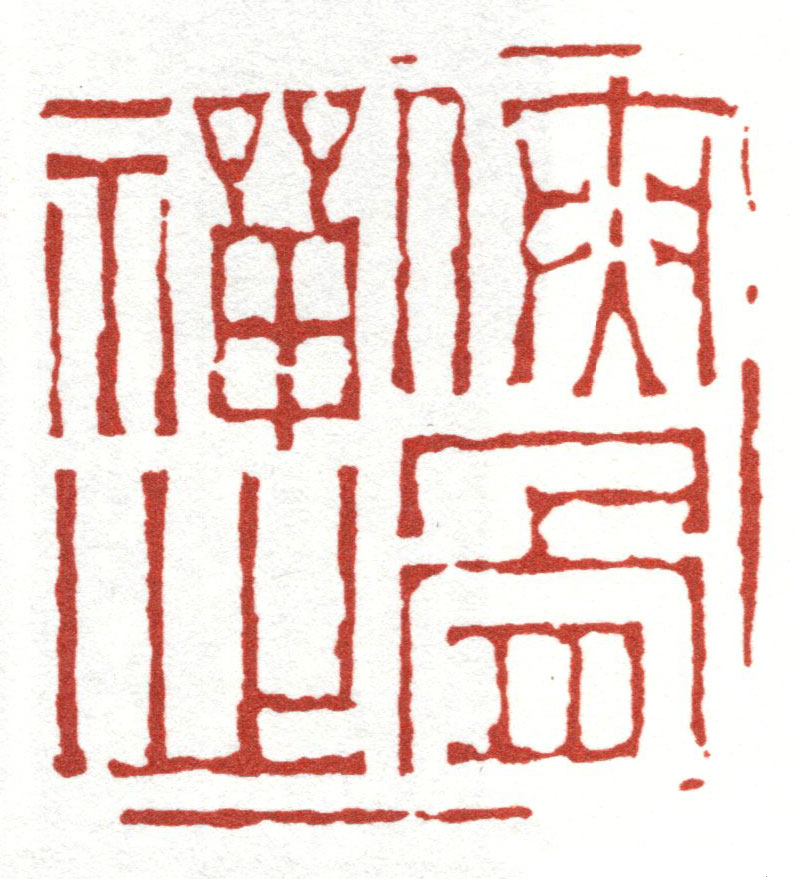
Image Healing: Guided Mandala Viewing 312
Please choose a set of mandala images that are centrally stable and clearly defined to view. First, gaze at the center to confirm your current sense of security, then slowly move your gaze outwards. Each time you return to the center, you are repeatedly sending a message to your brain: this moment is bearable.
The central structure of a mandala helps the nervous system re-establish a safe anchor point after trauma, reducing the intrusion of memories into the present moment.
◉ Gaze at the mandala twice, while taking deep breaths.

Lesson 312: Draw a map showing the distance between the past and the present.
Purpose:It helps you move from being overwhelmed by the past to "putting it in a controllable position".
step:
① Draw an irregular dark shape on the left side of the paper to represent past trauma.
② Draw a bright spot on the right side to represent "me today".
③ Draw a passable but controllable path (road, bridge, line) in the middle.
④ Write a sentence next to the light spot:
I am learning to distance myself from the past.
Please log in before submitting your drawings and feelings.
○ 312. Log Guidance
① Which recent old memory has appeared most frequently? Where is it usually triggered?
② What hurt me the most during that experience?
③ If I were to rename it, what title would I give it?
④ What is the biggest difference between me today and me back then?
⑤ Write a sentence:
They used to visit, but I am no longer the person I was back then.
Please log in to use.
You are able to face the past because you are now stronger than you were before.