
Lesson 1302: The Difference Between Persistent Irritability and Emotional Outbursts

Duration:70 minutes
Topic Introduction:Emotional outbursts are not ordinary tantrums; they are often more frequent, more intense, and harder to recover from. This section helps you observe the intensity, duration, context, and aftermath of an outburst, distinguishing between developmental emotional reactions and signals requiring professional attention, allowing for less blaming and more targeted responses. Take it slow; stability is more important than perfection. Every instance of observation is the beginning of support. Please prioritize your child's safety.
○ Course Topic Audio
Lesson 1302: The Difference Between Persistent Irritability and Emotional Outbursts
Click to view the read-aloud text
In this lesson, please slow down and temporarily set aside the blame of "Why did this happen again?" Behind many severe emotional outbursts lie excessive physical arousal, insufficient verbal expression, environmental stress, and a lack of security. The better we understand these signals, the more opportunities children have to move from being controlled to being supported. The theme of this lesson is "Characteristics of Emotional Outbursts." Distinguish between ordinary tantrums and pathological emotional outbursts, focusing on frequency, intensity, recovery time, and the breadth of context. This is not about absolving the child or abolishing boundaries, but about shifting the focus from "This child is bad" to "This child's regulatory system is overloaded." When learning, you can start with observation. Observe the child's facial expressions, voice, body movements, and recovery speed before and after the outburst. If you only focus on the moment of the outburst, adults can easily be swept away by the sounds, actions, and conflict; if you look a little further back, you will find many early signs. Next, please make your responses as short, steady, and clear as possible. Replace arguing with record-keeping, allowing adults to first understand how the storm began and how it ended. Children need to know that adults will set boundaries and accompany them back to safety; they will handle behavior and will not define them as bad as a whole. The course content cannot replace assessments and treatments by doctors, psychologists, or school professional teams, but it can help you record, communicate, and seek help more effectively. When this course ends, please don't expect yourself or your child to be perfect immediately. You only need to remember: stability is more powerful than harshness, and understanding fosters cooperation more than shaming. If your child experiences persistent and severe outbursts, self-harm, aggression, or functional impairment, please contact offline professional resources promptly. If you are a teacher, please record your child's efforts, not just moments of loss of control. If you are a child, remember that you are not a bad child; you are simply learning how to manage your emotions. When you can't do much today, even a small pause is a step on the healing path. Please use concrete facts, such as when, where, how long, and how to recover afterwards. Such records will help professionals understand your child more accurately and reduce unnecessary blame within the family.

AI Healing Q&A
When you're unsure whether it's a typical outburst of temper or persistent emotional distress, you can describe your usual underlying emotions to the AI, the changes before and after the outburst, and whether it repeatedly occurs at home, school, or in peer relationships. The AI will help you move beyond labeling it as a "bad temper" and instead observe your emotional load, needs, and support patterns. If the situation continues to impact your life, please seek a professional child and adolescent mental health evaluation.

○ Music therapy guidance
When it's difficult to distinguish between persistent irritability and sudden outbursts, music can serve as a gentle dividing line. Choose stable, repetitive, and slow-paced melodies during normal times, and opt for quieter sounds to aid recovery after an outburst. Don't use music to suppress your emotions; instead, let it become the background for observation: is the current irritability chronic, or is it a sudden trigger from something? Recording several reactions before discussing them with a professional will provide a clearer picture than relying solely on memory and will also reduce anxiety for family members. Don't rush to complete the task.

○Eastern and Western Healing Teas
○ Eastern Healing Tea - Anji White Tea
introduce:Anji White Tea originates from Anji, Zhejiang Province. It has a delicate appearance and a greenish-white color. Despite its name containing "white tea," it is actually a green tea with a refreshing and mellow taste. Anji White Tea is rich in amino acids, tea polyphenols, and vitamin C, offering antioxidant, anti-inflammatory, and anti-aging benefits. It helps boost immunity and relieve stress, making it a tea with significant health benefits.
usage:Take 1 teaspoon of Anji white tea and steep it in 85°C water for 3-4 minutes. Drink 1-2 cups daily to help boost immunity, soothe emotions, and promote physical and mental health.
Course Reminder:After the "Characteristics of Emotional Outbursts" course, please treat tea drinking as a gentle daily support, not a therapeutic substitute. Before and after drinking tea, observe the child's or caregiver's emotional intensity, physical tension, sleep, stomach reaction, and the amount of stimulation on the day to help the family gradually establish a stable rhythm.
Notice:Children's tea consumption should be adjusted according to their age, physical condition, sleep patterns, allergy history, and medical advice; drinks containing caffeine, ginseng, turmeric, chili, cocoa, or herbal ingredients should be chosen with caution. If a child experiences persistent severe outbursts, self-harming thoughts, aggression, or chronic insomnia, please contact offline professional resources promptly.
○ Healing Recipes
○ Monastery Diet: Herbal Rye Rice
Recommended dishes:Herbal Rye Rice Recommended reasons:When learning the characteristics of emotional outbursts, stable staple foods are suitable to help the body obtain sustained energy. The simple combination of rye and herbs reminds us to first record the frequency, intensity, and recovery time, and then gradually understand them. This recipe does not aim for stimulation, intensity, or complexity, but rather supports children and caregivers in establishing a predictable rhythm throughout the day through gentle, repeatable, and low-burden eating actions. Recipe (1–2 servings): practice: When preparing this dish, please slow down the process and avoid turning the food into a new task. You can invite children to observe the color, temperature, and smell, or adults can quietly finish first, making the dining table a more stable and less rushed place. Before consuming, please pause for three breaths and gently ask yourself or your child: Is your body tense, tired, irritable, or a little calmer right now? There is no need to explain the reason immediately, just pay attention to the signals your body is sending. Take your first bite slowly. If your child is experiencing significant mood swings that day, reduce lecturing and focus on safety, hydration, eating, and rest. A gentle meal is not a substitute for therapy, but it can be a part of daily support. Video Title:Rye Herbal Rice: A dietary approach that supports stable rhythms and gentle care in courses on disruptive mood disorders. hint:If you experience persistent and severe outbursts, self-harming thoughts, aggression, uncontrolled impulses, chronic insomnia, or family safety risks, please contact local emergency services, doctors, psychologists, or offline crisis resources immediately.Click to view healing recipes
◉ Monastery Diet: Herbal Rye Rice
I. Recommended Dietary Therapy and Reasons
2. Recipe and Method
3. Small rituals for body and mind
4. Dietary Therapy Experience Record
V. Instructional Videos (approximately 3–5 minutes)
6. Precautions

○Mandala Healing
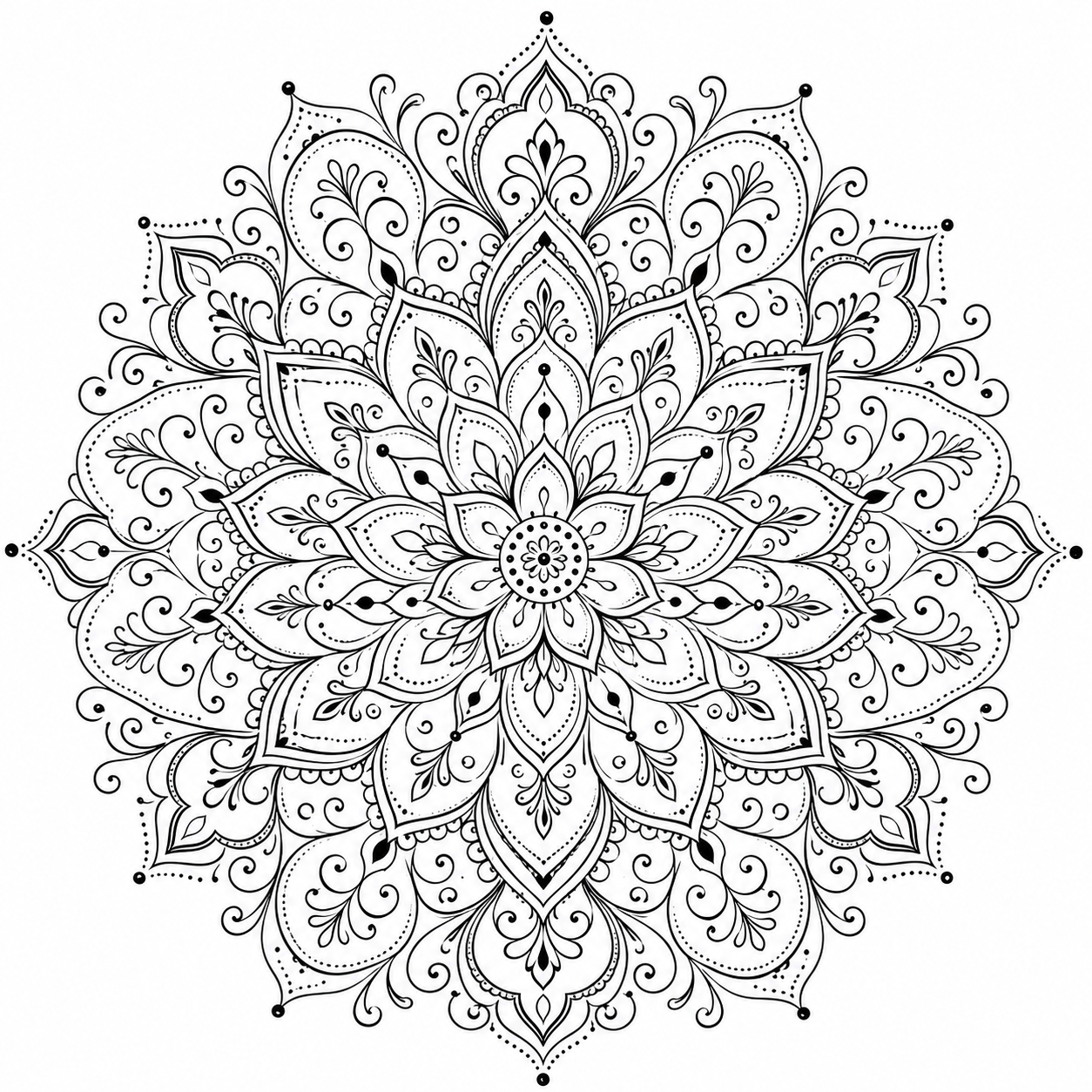
Viewing a mandala can help distinguish between persistent irritability and sudden outbursts. First, look at the center, feeling the underlying tension that usually lingers in your heart; then look at the outer rings, imagining a moment when your emotions were ignited. This exercise isn't about labeling children, but about helping adults and children see the layers of emotion together. After viewing, only record one observation; don't rush to conclusions, just take your time to understand. If you wish, you can also share your observations with a teacher or therapist for discussion. Please take your time. Give each other time.
● AI Dynamic Geometric Vision Focus and Emotion Regulation Engine ●
AI Dynamic Geometric Vision Focus and Emotion Regulation Engine · v7.0.0
Before we begin, I'd like to know how you feel right now.
There is no standard answer; just choose the one that best reflects how you feel right now.
The experience is over. Tell us how you feel now.
There is still no standard answer; just choose the one that best reflects how you feel right now.
#FF5252
After the fluorescent line crawling is completed and stopped, first select a color, then click on the closed area in the graphic to fill in the color.
AI Digital Mandala Static Focus EngineAZ Image Coloring · 60 Colors
AI Digital Mandala Interactive Focus Engine
A–Z Free Selection · Layered Lines · 60 Color Fills

○ Calligraphy and engraving therapy practice
When faced with persistent irritability and sudden outbursts, calligraphy practice doesn't require explanation; simply slow down your hand. Follow the instructions on the page, observing your speed and pressure with each stroke, and feel the difference between your usual agitation and momentary impulsiveness. After practicing, don't rush to judge; just note whether your body feels slightly more relaxed. Gentle writing provides an outlet for emotions. If you're feeling very tired that day, shorten the time; maintaining a sense of security is more important than forcing yourself to finish.


○ Art Therapy Guidance
Persistent irritability and sudden outbursts can be subtly distinguished using different colors or lines. Regular irritability might be like a base layer, while a sudden outburst might be like a line bursting forth. When drawing, there's no need to reason; simply express your feelings. Afterward, observe which parts are consistently present and which parts erupted abruptly. Such drawings help families better understand emotions, rather than simply viewing the child as deliberately throwing a tantrum.
Please log in before submitting your drawings and feelings.
○ Diary Healing Suggestions
Journaling Healing Suggestions: Please write down the most impactful point from today's lesson, especially the difference between a normal outburst of temper and a severe emotional outburst. Also, write down a small action, such as next time only recording the intensity, duration, location, and recovery afterward, without rushing to argue. Please treat the journal as a map to help your child, not evidence to blame them. If your emotions escalate, please drink water and breathe before continuing. Please view this step as gentle care, not a task. It doesn't need to be complete; being truthful is enough. If you are very tired today, writing just one sentence is fine. After writing, please pause and thank yourself for being willing to face it.
Please log in to use.
May you gradually return to a more stable, clear-headed, and gentler version of yourself through today's practice.