

Lesson 2: Common Manifestations of Generalized Anxiety
Duration:70 minutes
Topic Introduction:Some anxieties aren't as obvious as crying; they might just be a loss of appetite, insomnia, restlessness, or a racing mind. You can tell the AI about these subtle changes, and it will help you distinguish between physical warnings and real-world stress. Ultimately, choose only the least disruptive adjustment to start with; you don't need to change everything at once. If it affects your life, please contact offline professional resources. After the Q&A session, you can note down one of the most easily overlooked signals to remind yourself to take better care of your body next time.
○ Course Topic Audio
Lesson 2: Common Manifestations of Generalized Anxiety
Click to view the read-aloud text
When learning "Introduction to CBT + Basic Relaxation Techniques," please put aside self-blame for now. Anxiety isn't because you're too weak, nor is it because you're deliberately overthinking; it's often a protective mode formed after the nervous system has been in a state of high alert for a long time. CBT helps you break down frightening thoughts and, combined with relaxation training, gradually slows down your muscles, breathing, and heart rate from an alarm state. When anxiety persists, the brain tends to look for danger, and the body goes into defensive mode in advance; breathing, stomach, shoulders, neck, sleep, and attention can all be affected. You might know that something hasn't happened yet, but you're already rehearsing the worst outcome in your mind; you might want to relax, but find that your body simply won't cooperate. The first step in this lesson is to remove anxiety from the self-evaluation of "I can't do it" and replace it with "My system is alarming." This change is important because only once you stop attacking yourself can you begin to adjust. You can start by writing down your most prominent worry of the day, and then ask yourself: Is it a real problem, or a disaster rehearsal? Does it need immediate attention, or does it just need to be recorded? The second step is to bring your body back to the present moment. Try exhaling slowly, feeling your feet touch the ground, and gently relax your jaw, shoulders, and fingers. If your emotions are still high, don't rush to convince yourself it's okay; just send a signal to your body: I know you're tense, let's slow down. For anxiety, safety isn't just a slogan, but a series of small, repeatable actions. The third step is to choose a minimal action. It could be drinking water, eating something, opening a window, writing three sentences, pausing for five minutes, tidying a corner, or contacting someone you trust. The significance of minimal actions isn't to immediately solve life's problems, but to allow the brain to re-experience: I'm not completely out of control; I can still influence reality a little. If you experience intense panic, persistent insomnia, self-harming thoughts, or an inability to stabilize yourself during the exercise, don't suffer alone; contact family, doctors, therapists, or local emergency help resources immediately. The course content is suitable for learning and self-reflection, but cannot replace professional diagnosis and treatment. Finally, give yourself a reassuring reminder: Anxiety doesn't mean I've failed; it's just a signal reminding me to slow down, observe, and take care of myself. Today, simply identifying a trigger point, completing a small action, or writing down a thought is already a step forward on the road to recovery. After reading aloud, jot down three phrases: What am I worried about right now? Where in my body is the tension greatest? What step am I willing to take first? Save these three phrases; the next time anxiety arises, they will help you return to an actionable path more quickly. Don't strive for complete calm after just one practice session; stability comes from repetition, gentleness, and sustainability. You are not learning to destroy yourself, but to interact with your nervous system in a safer way. After reading aloud, jot down three phrases: What am I worried about right now? Where in my body is the tension greatest? What step am I willing to take first?
AI Healing Q&A
Anxiety isn't always about crying or screaming; it's about your mind racing before bed, a decreased appetite, and restlessness while sitting. You can write down these subtle symptoms for the AI to see—don't worry about making things unclear. It will help you find clues: which are your body's warning signs, and which are signs of accumulated stress. Finally, choose the easiest way to start taking care of yourself, like getting some rest or checking information less often, to give your body a break. You don't need to fix yourself; first, learn to listen to your body's signals. Don't rush to prove anything.

○ Music therapy guidance
When anxiety manifests as palpitations, restlessness, or a racing mind, choose gentle piano music, classical slow movements, or the sound of natural water. Don't analyze whether the music is good or bad; simply focus on which part of your body gradually relaxes. If your emotions become too intense, turn down the volume or stop listening. Music isn't the only way to treat stress, but it can help you find a little stability. After practicing, give your body a simple evaluation: where you feel better, and where you still need attention. This is also a form of progress.

○Eastern and Western Healing Teas
Recommended beverage: Chamomile tea. Reason for recommendation: It helps slow down the body's pace and alleviate tension and fatigue caused by cognitive breakdown while studying this lesson. Preparation: Take an appropriate amount of tea leaves, brew with warm water, and drink slowly, avoiding making it too strong. Recommended dietary therapy: Oatmeal banana porridge. Based on the principles of being light, stable, and low-burden, it helps the body obtain sustained energy.
○ Healing Recipes
Oatmeal and banana porridge (Briam)
Oatmeal and banana briam is a suitable healing recipe after this lesson. It's gentle, easy to prepare, and low-burden, providing a stable energy boost to the body after learning the CBT introduction and initial relaxation techniques, reducing the amplification of anxiety experiences caused by hunger, fatigue, and tension. Eat slowly, observing your hunger, satisfaction, breathing, and feelings of relaxation. It doesn't aim for elaborate presentation, but rather serves as a gentle replenishment after anxiety exercises. Let the food become part of your sense of security, helping your body recover from tension.
Open the healing recipe
◉ Mediterranean Diet: Olive Oil Stewed Vegetables (Briam)
I. Recommended Dietary Therapy and Reasons
Recommended dishes:Briam (vegetable stewed in olive oil)
Recommended reasons: Olive oil stewed vegetables inherit the ancient Greek medical concept of "vegetables and olive oil as the foundation of health." Briam places eggplant, zucchini, potatoes, tomatoes, and onions in the same baking dish, slowly roasting them with olive oil, garlic, and herbs, transforming the vegetables from crisp to tender, and their flavors from scattered to rich. The eggplant provides a soft texture, the zucchini offers refreshing moisture, the potatoes add a gentle satiety, the tomatoes release their natural sweet and sour flavors, and the olive oil gives the dish a rounded, nourishing, yet not heavy, texture. High in fiber, potassium, and plant-based nutrients, it's suitable as a main dish, side dish, or a gentle recovery food after intermittent fasting.
2. Recipe and Method
Recipe (Serves 2–3):
- Cut one eggplant into thick slices or chunks.
- One winter melon, cut into thick slices
- Peel and thinly slice or dice 1-2 potatoes.
- 2 tomatoes, chopped, or 200g canned tomatoes.
- 1/2 onion, sliced
- 2–3 cloves of garlic, sliced or minced.
- 3–4 tablespoons extra virgin olive oil
- 80–120 ml of water or vegetable broth
- A small amount of dried oregano or thyme
- A pinch of black pepper
- A pinch of sea salt
- A little chopped parsley, optional
practice:
- Preheat the oven to 190°C and prepare a deep baking pan or ceramic dish.
- Cut the eggplant, zucchini, potatoes, tomatoes, and onions into similar sizes to ensure even cooking.
- Place all the vegetables in a large bowl, add garlic, olive oil, dried oregano, black pepper, and a pinch of sea salt.
- Gently toss with your hands or a large spoon to coat each piece of vegetable with olive oil and herbs.
- Arrange the vegetables in a baking dish, add water or vegetable broth, and drizzle a little olive oil on top.
- Cover with aluminum foil and bake in the oven for 35–40 minutes, until the potatoes and eggplants are fully softened.
- Remove the foil and bake for another 20–25 minutes, until the surface is slightly reduced and the edges are slightly charred.
- After baking, let it sit for 5–10 minutes, sprinkle with chopped parsley, and serve warm.
3. Small rituals for body and mind
When cutting vegetables, you can place different colors separately on the cutting board and observe how purple, green, yellow, and red form a simple yet abundant order.
When you drizzle olive oil over vegetables, you can imagine it slowly connecting the disparate ingredients, like building a gentle protective layer for your body.
During baking, let the aroma fill the kitchen naturally. Don't rush the food; instead, practice waiting. When you take your first bite, tell yourself, "I'm allowing myself to slow down."“
4. Dietary Therapy Experience Record
- Record the time of consumption: whether it is lunch, dinner, or the first meal after intermittent fasting.
- Observe changes in stomach comfort, satiety, body warmth, and mental stability within 30–60 minutes after consumption.
- If eaten with yogurt, hummus, or whole-wheat bread, the effects of different combinations on satiety and digestion can be recorded.
V. Instructional Videos (approximately 3–5 minutes)
◉ Video Title:Olive oil stewed vegetables: A gentle and hearty Greek home-style dish.
V. Instructional Videos (approximately 3–5 minutes)
Video Title:Greek Salad: A refreshing and nutritious Mediterranean recipe ready in 10 minutes.
6. Precautions
- Potatoes take longer to cook than zucchini and tomatoes, so it's recommended to cut them thinner or smaller to avoid uneven cooking.
- Olive oil is the key to the flavor of this dish, but if you need to control calories, you can reduce the amount used appropriately, and it does not need to be completely removed.
- Those on a low-sodium diet can reduce their salt intake and use tomatoes, garlic, herbs, and the natural sweetness of roasting to enhance flavor.
- Those with sensitive stomachs can reduce the amount of garlic and onions, and roast the vegetables until they are softer.
hint:This recipe is for daily physical and mental well-being and is not a substitute for any medical diagnosis or treatment. If you have kidney disease, strict potassium control requirements, diabetic dietary restrictions, or special nutritional needs, please prioritize following the advice of your healthcare provider and nutritionist.
○Mandala Healing
Anxiety sometimes hides in palpitations, stomach tightness, insomnia, and restlessness. When viewing a mandala, don't rush to interpret these reactions; simply let your eyes focus on one color and feel if your body relaxes at all. If not, don't be disappointed. This exercise simply helps you reconnect with your body and gradually see its distress signals. After practicing, you can write down the most obvious bodily signal of the day so that you can respond more gently and sooner the next time it appears. Take it slow.
● AI Dynamic Geometric Vision Focus and Emotion Regulation Engine ●
AI Dynamic Geometric Vision Focus and Emotion Regulation Engine · v7.0.0
Before we begin, I'd like to know how you feel right now.
There is no standard answer; just choose the one that best reflects how you feel right now.
The experience is over. Tell us how you feel now.
There is still no standard answer; just choose the one that best reflects how you feel right now.
#FF5252
After the fluorescent line crawling is completed and stopped, first select a color, then click on the closed area in the graphic to fill in the color.
AI Digital Mandala Static Focus EngineAZ Image Coloring · 60 Colors
AI Digital Mandala Interactive Focus Engine
A–Z Free Selection · Layered Lines · 60 Color Fills

○ Calligraphy and engraving therapy practice
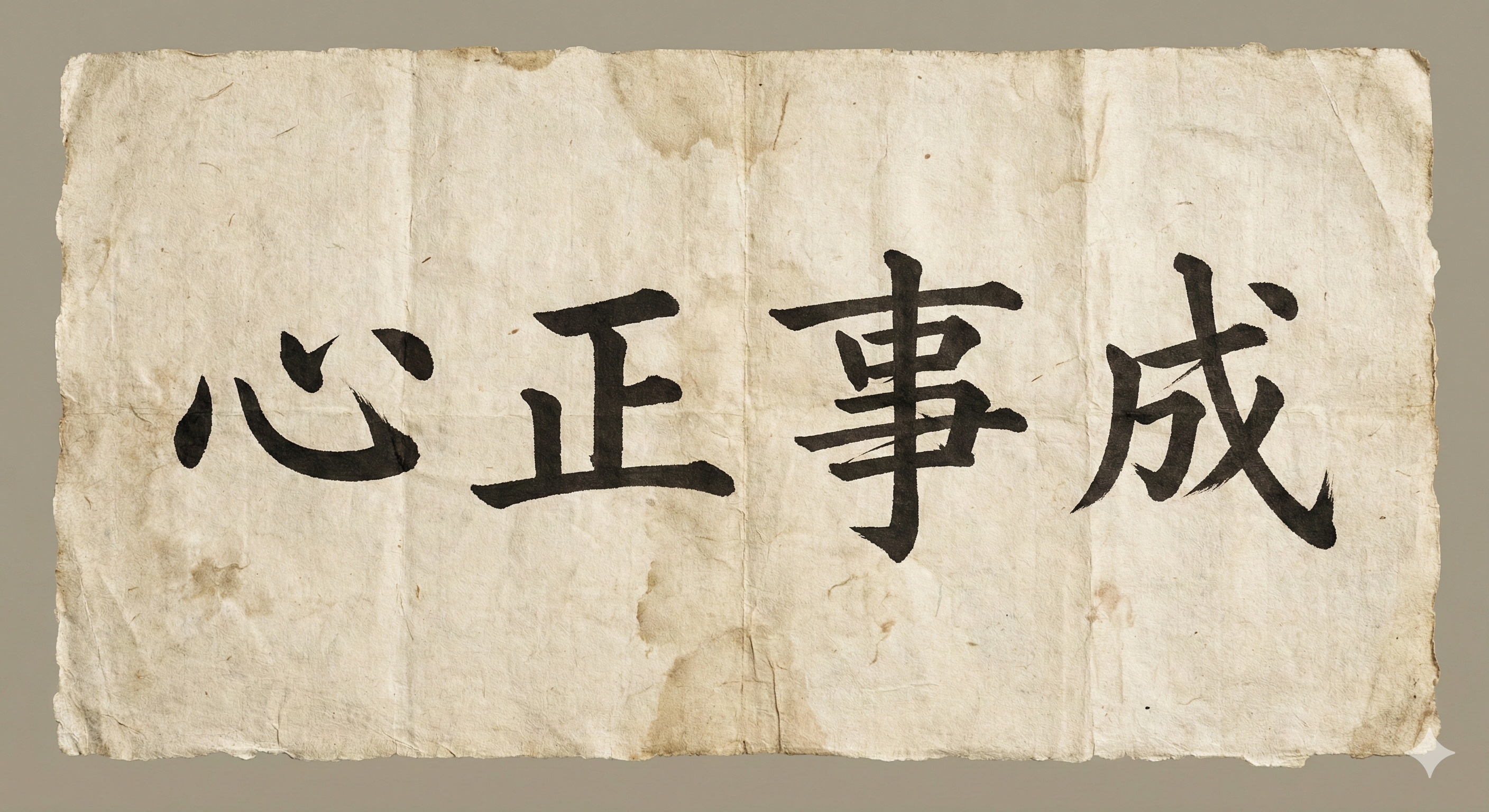
This lesson's writing practice follows the principles of "slow, steady, and clear," guiding your attention away from worry and back to your hand, pen, and paper. Writing motto: Peace of mind brings clarity. Before writing, adjust your posture, pause for a moment before writing, and confirm that your breathing and shoulders are relaxed. If mental decomposition makes you anxious, treat each stroke as an opportunity to regain your footing. Tips: Write less, write slowly, write steadily.

○ Art Therapy Guidance
Objective: To externalize "cognitive breakdown" into images, helping oneself to see it rather than be surrounded by it. Steps: 1. Draw a shape representing your current anxiety in the center of a piece of paper. 2. Mark the trigger point with a color. 3. Draw a fact area next to it and write down verifiable information. 4. Draw a calming action, such as breathing, pausing, asking for help, or drinking water. 5. After completion, write a sentence: I can see it, and I can respond to it slowly.
Please log in before submitting your drawings and feelings.

○ Diary Healing Suggestions
① What is my new understanding of "cognitive deconstruction" today? ② In which situations did it most frequently occur over the past week? ③ What impact did it have on sleep, attention, efficiency, and interpersonal relationships, and rate it on a scale of 0 to 10? ④ Write down the worst, most likely, and best possible outcomes. ⑤ Choose a minimum feasible action: drink water, take a walk, breathe, contact a supporter, or take a five-minute break. ⑥ How will I remind myself to continue practicing tomorrow?
Please log in to use.
When you are willing to "deconstruct cognition" and see it clearly, instead of continuing to tough it out on your own, anxiety begins to transform from a fog into a signal that can be taken care of.