

Lesson 705: Techniques for Interrupting Thoughts and Mindfulness Awareness

Course duration:70 minutes
正念不是清空念头,而是看见“这是念头,不是事实”。你可以把反复出现的想法告诉AI,让它帮你标注、命名并回到五感或手边任务,减少被念头牵走。让练习小一点,也更容易坚持。你的努力值得被认真看见。先看清循环,再选择行动,会更稳一些。这会让恢复更贴近真实生活。给自己一点温柔的空间。这样的整理,会让你更容易看见下一步。
○ Course topic audio
Lesson 705: Techniques for Interrupting Thoughts and Mindfulness Awareness
Click to view the read-aloud text
本课学习的主题是思维中断与正念觉察技巧。在强迫症与冲动问题中,最痛苦的部分往往不是某一个想法或某一次行为,而是人好像被一个自动循环拉着走:念头出现,焦虑升高,身体紧绷,冲动推动行动,仪式或冲动行为带来短暂缓解,随后又出现新的担心。久而久之,人会误以为只有重复、检查、确认、回避或立刻行动,才能让自己安全。可是这种短暂缓解也会强化大脑的误报警,使下一次焦虑来得更快。 今天的练习不是和症状硬碰硬,也不是责备自己为什么控制不了,而是先把机制看清楚。请把注意力放在一个具体情境中:触发是什么,脑中出现了什么句子,身体哪里最紧,冲动要求你做什么,你真正害怕的结果是什么。只要能把这个链条写下来,你就已经从被动卷入走向主动观察。 接下来,请选择一个很小的改变。它可以是延迟三十秒再检查,可以是少确认一次,可以是在冲动前做三次深呼吸,也可以是把“我必须立刻处理”改写成“我可以先观察一下”。改变不需要很大,但必须真实可做。强迫和冲动的复原,不靠一次强力突破,而靠许多次安全范围内的练习。每一次你愿意多停一秒,多记录一次,多选择一个更温和的反应,都是在帮助大脑建立新的路径。 如果练习中焦虑升高,请提醒自己:焦虑升高不等于危险正在发生,未完成感不等于我必须马上补救,冲动强烈也不等于我必须服从。你可以把自己带回呼吸、脚底、手心和眼前的环境。复原的方向不是成为没有念头的人,而是成为即使有念头、也能慢慢选择生活的人。

AI Healing Q&A
请向AI描述你最近一次与“思维中断与正念觉察技巧”相关的情境,包括触发事件、自动想法、焦虑分数、冲动行为和结果。请AI帮你整理出一个更温和的替代反应,并写成三步行动:先暂停,再观察,最后选择一个小而安全的行为。

○ Music therapy guidance
正念觉察中,音乐可成为温和锚点。让学习者听见音高、节奏、远近和停顿,同时轻轻标注“这是念头,不是事实”。当注意力飘走,再回到声音,不需要责备。你的努力值得被温柔看见。让声音帮助你重新选择。这会让练习更可承受。请以安全和稳定为先。让改变在可承受中发生。请把音乐当成陪伴,而不是要求。这样的练习会更贴近日常。

○East-West Healing Tea Drinks
推荐饮品:玫瑰陈皮茶。推荐理由:本课适合使用温和、低刺激的饮茶仪式帮助身体降速,让注意力从强迫念头或冲动要求中慢慢回到当下。用法:少量温饮,不宜过浓;若临近夜晚或对咖啡因敏感,可改用无咖啡因花草茶。
○ Healing Recipes
紫菜虾皮蛋花汤
紫菜清鲜,虾皮增味,蛋花柔软,适合冲动后不想做复杂饭菜但需要温热补充时食用,简单快速而不失安定感。
快速补充|清淡咸鲜|低负担
◉ Stable Dietary Therapy: Seaweed, Dried Shrimp, and Egg Drop Soup (ID 705)
紫菜虾皮蛋花汤制作很快,适合冲动后不想做复杂饭菜,但又需要补充一点温热食物时使用。蛋花柔软,紫菜和虾皮增加咸鲜味,让简单一碗汤也能提供安定感。
快速补充 清淡咸鲜 Low burden
I. Recommended Dietary Therapy and Reasons
Recommended dishes:紫菜虾皮蛋花汤(ID 705)
Recommended reasons: 紫菜虾皮蛋花汤以温和、低刺激、容易执行为主要特点,适合强迫症与冲动问题课程中的日常安定练习。紫菜虾皮蛋花汤制作很快,适合冲动后不想做复杂饭菜,但又需要补充一点温热食物时使用。蛋花柔软,紫菜和虾皮增加咸鲜味,让简单一碗汤也能提供安定感。 通过稳定进食、缓慢咀嚼和可重复的制作步骤,学习者可以把饮食过程变成一次小型的自我照护训练。它不强调立刻改变情绪,而是帮助身体先获得安全、温度与节律。
2. Recipe and Method
Recipe (1–2 servings):
- 紫菜 少许
- 虾皮 1 小勺
- 1 egg
- 500 ml of water
- A pinch of salt
practice:
- Wash the main ingredients thoroughly. Grains, beans, or lotus seeds can be soaked in advance to make them softer.
- First, put the ingredients that need to be cooked for a long time into the pot, add enough water, bring to a boil over high heat, then turn to low heat and simmer.
- Depending on how quickly the ingredients cook, add vegetables, tofu, eggs, fish, or seasonings in that order, and simmer over low heat or stir gently.
- Once the ingredients are cooked until tender and the soup or porridge is lukewarm, add a small amount of salt, honey, or rock sugar to taste, avoiding making it too salty or sweet.
- After turning off the heat, let it sit for 2–3 minutes to allow the temperature to drop slightly before serving in a bowl to avoid stimulating eating.
- When eating, try to eat slowly, pausing for a moment with each bite to observe the aroma, temperature, taste, and your body's reaction.
- It can be served as breakfast, dinner, or a recovery meal after practice, with the focus on stability rather than complexity.
3. Small rituals for body and mind
Before preparing the ingredients, stop and take three slow breaths, reminding yourself: "This meal is not a task, but care."“
During the cooking process, try to keep your movements steady, don't rush to finish, and don't repeatedly check until you're exhausted. Just confirm the necessary steps.
When you take your first bite, you can tell yourself, "I allow myself to take it slow, and I allow today to be imperfect." Let eating become a process of practicing acceptance and stabilization.
4. Dietary Therapy Experience Record
- Record your emotional state before consuming the product, such as anxiety, irritability, fatigue, impulsiveness, repetitive thinking, or physical tension.
- Record any changes in stomach comfort, satiety, mood intensity, and urgency within 30–60 minutes after consumption.
- Observe whether you can reduce the need for repeated confirmation during the preparation and eating process, and bring your attention back to the taste, temperature and the current action.
V. Instructional Videos (approximately 3–5 minutes)
◉ Video Title:紫菜虾皮蛋花汤 · 强迫与冲动问题课程的日常安定配方
6. Precautions
- This recipe focuses on gentle daily conditioning, and the seasoning should be as light as possible to avoid excessive spiciness, sweetness, or saltiness that may irritate the body.
- If you are allergic to milk, nuts, seafood, soy products, or certain grains, please replace them with foods that you can tolerate.
- If you are receiving medical treatment, taking medication, or have special dietary restrictions, please prioritize following the advice of your doctor, nutritionist, or caregiver.
hint:This recipe is for daily mental and physical care reference only and does not replace any medical diagnosis or treatment. For obsessive-compulsive disorder, difficulty controlling impulses, or significant functional impairment, professional psychological and medical support should be sought.

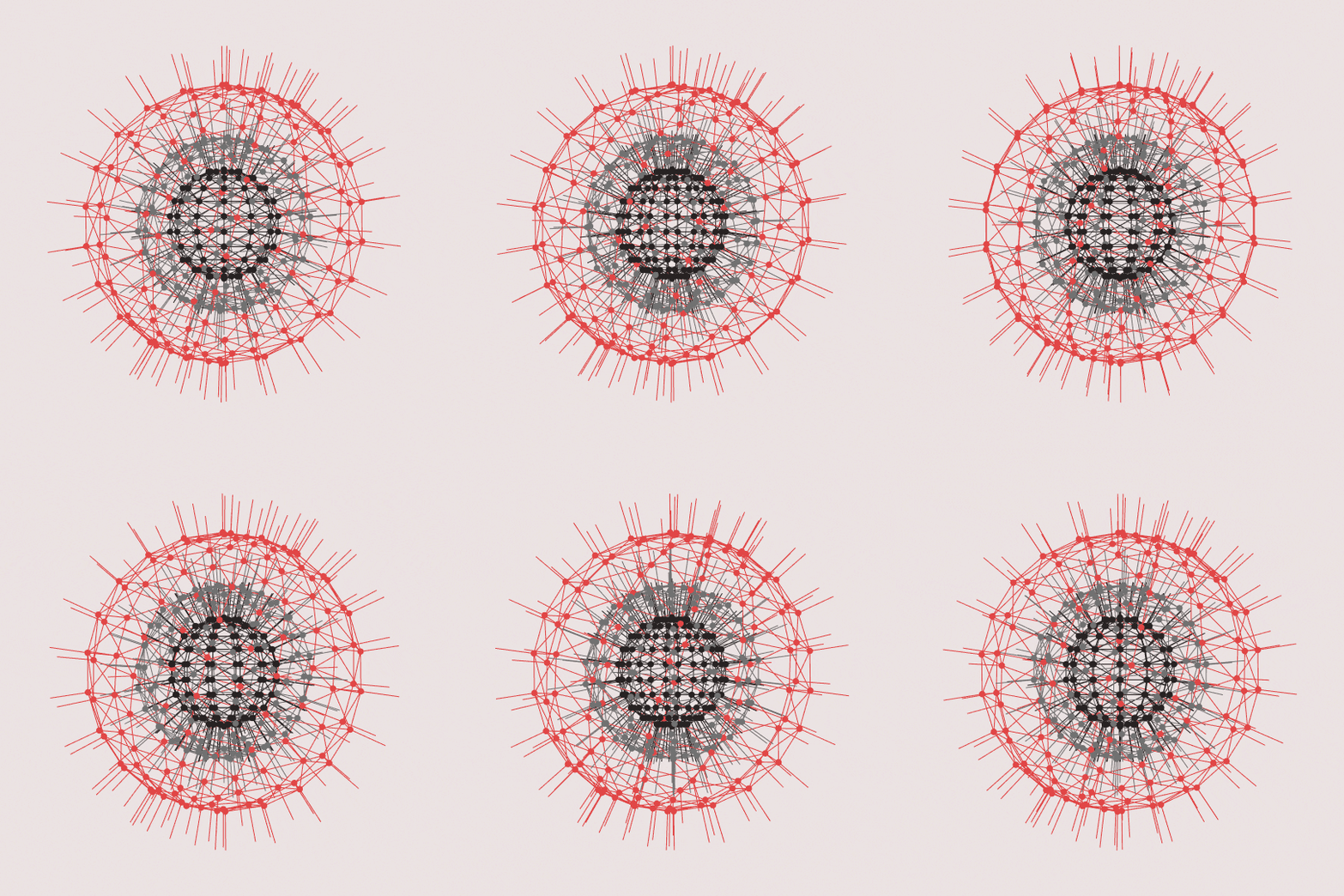
Mandala Viewing Healing
正念觉察时,曼陀罗是很好的视觉锚点。你可以观察颜色、线条、远近与停顿,当念头飘走时,再轻轻把目光带回图案。这个过程不是责备自己分心,而是一次次练习回到当下,回到眼前真实存在的事物。让改变在可承受中发生。必要时也请配合专业支持。先停一停,再继续,会更稳。这会帮助心慢慢松一点。也让恢复多一点空间。让观看成为一段安静的陪伴。
● AI Balance Psychological Simulation Engine ●
AI Balance Psychology Simulator
AI Mandala Color Healing EngineAZ Image Coloring · 40 Colors

○ Calligraphy and engraving therapy practice
书写楷刻疗愈练习栏目用于陪你在“思维中断与正念觉察技巧”之后,让思绪中断后重新回到当下触感。练习不规定具体写什么,只感受坐稳、落笔、停顿与收笔,让注意力从强迫或冲动里回到手、纸和呼吸。让手和呼吸都慢一点。这也是一种温柔练习。你已经在照顾自己了。请慢慢来。不需要写得完美。只做能承受的部分。请慢慢来。请慢慢来。


○ Art Therapy Guidance
绘画疗愈引导栏目邀请你用颜色、线条或形状,把思绪被拉走又回到当下的过程轻轻外化出来。不需要画得像,也不需要解释给别人听;让模糊情绪变成可以被观察的图像,帮助自己从强迫或冲动里多一点距离。让感受被温柔看见。这也是一种温柔练习。你已经在照顾自己了。请慢慢来。不需要画得完美。只做此刻能承受的部分。请慢慢来。
Please log in before submitting your drawings and feelings.
○ Diary Healing Suggestions
日志疗愈建议栏目用于陪你在“思维中断与正念觉察技巧”之后,写下今天课程中最有触动的一点,以及你愿意尝试的一个小行动。可以写下思维被卷走时,你最容易忽略的当下感受。小行动可以是用触感、声音或脚底支撑把自己带回来,哪怕只回来一次也很重要。请用真实、简短、可承受的方式写,不必写给别人看;重要的是让感受被温柔看见。请允许自己慢一点,只做能承受的部分。这份记录只为照顾你,不是审判你。
Please log in to use.
Today's exercise reminds us that recovery is not about immediately eliminating compulsions or impulses, but about gradually taking control of our lives back into our own hands through each moment of awareness, pause, and choice.